How to get rid of aphids
| Difficulty Medium |
| Frequency Medium |
| Reproductive rate Up to 500x |
| Lifecycle Up to 4 months |
Aphids are insects that damage plants by feeding on their sap. They gather in colonies of several dozen individuals on shoots or flowers. A large enough population can cause growth to stall in infested plants.
Identifying aphids
Aphid colonies are very easy to spot. The clustered individuals are usually pear-shaped, and their color varies depending on the species and the host plant. These insects also produce honeydew, a sticky substance visible on the leaves. A black mold called sooty mold can develop on this honeydew.
Early infestation
- Presence of shed skins on the foliage
- Presence of a few insects under the leaves
- Sticky substance on leaves and stems
Advanced infestation
- Dense insect colonies on the shoots or flowers
- Deformation of shoots or flower buds
- Slowed or stunted growth
- Black mold on leaves and stems
Treatment options
How to treat aphids?
The most effective and safe strategy is to dislodge the majority of nymphs and adult aphids using a strong water jet and introduce green lacewings to detect and eliminate any remaining individuals.
Preparation
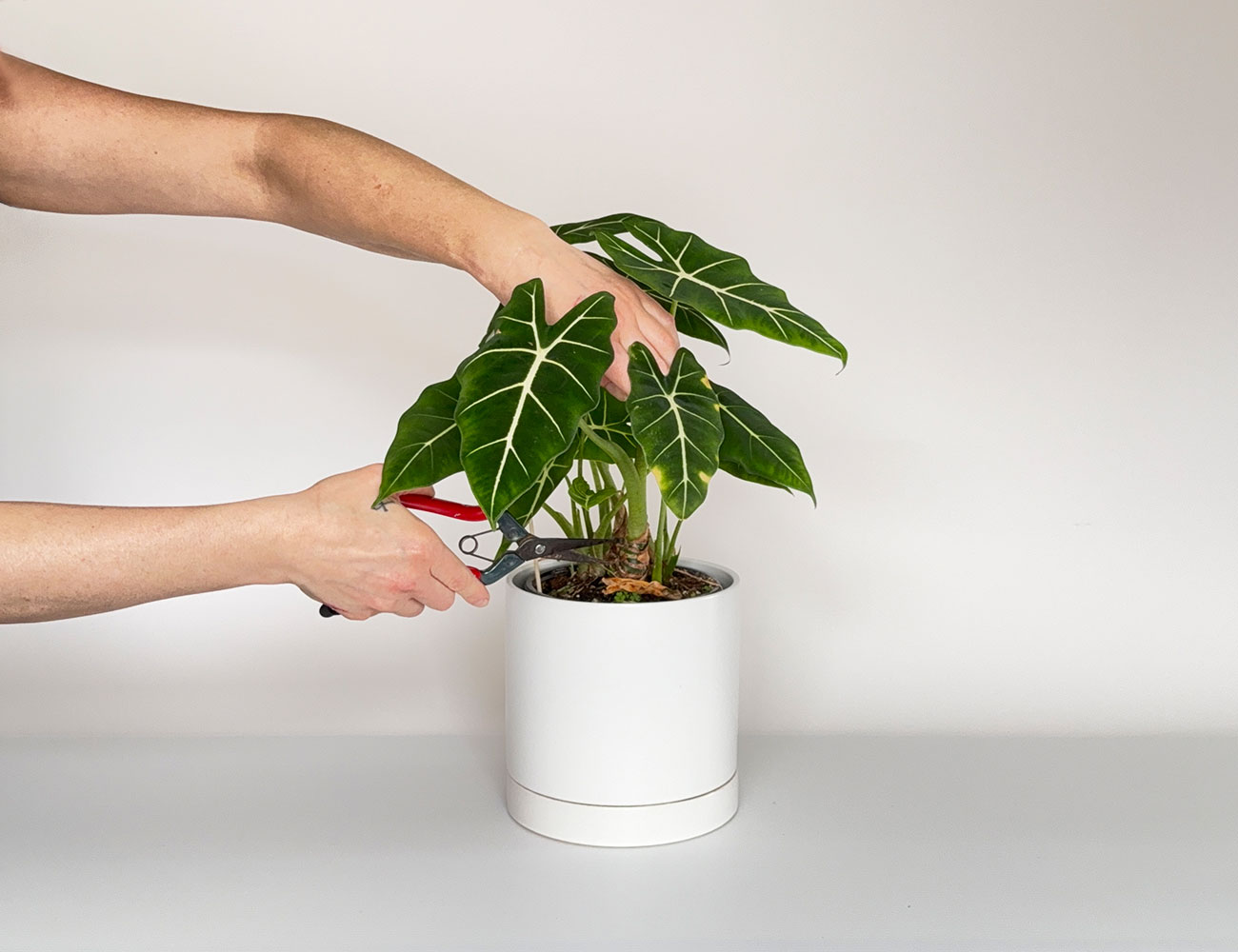
Cut off affected shoots
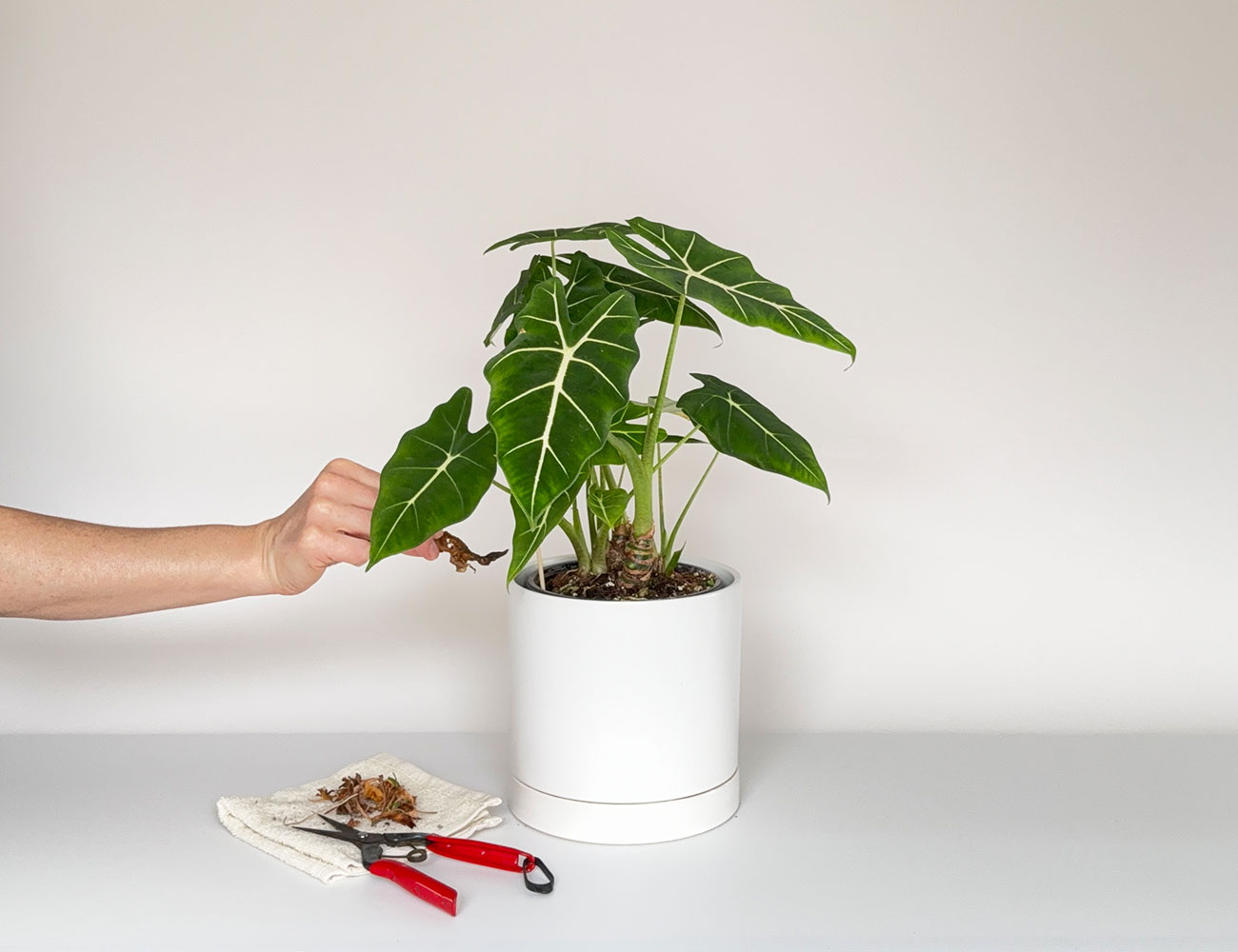
Remove debris
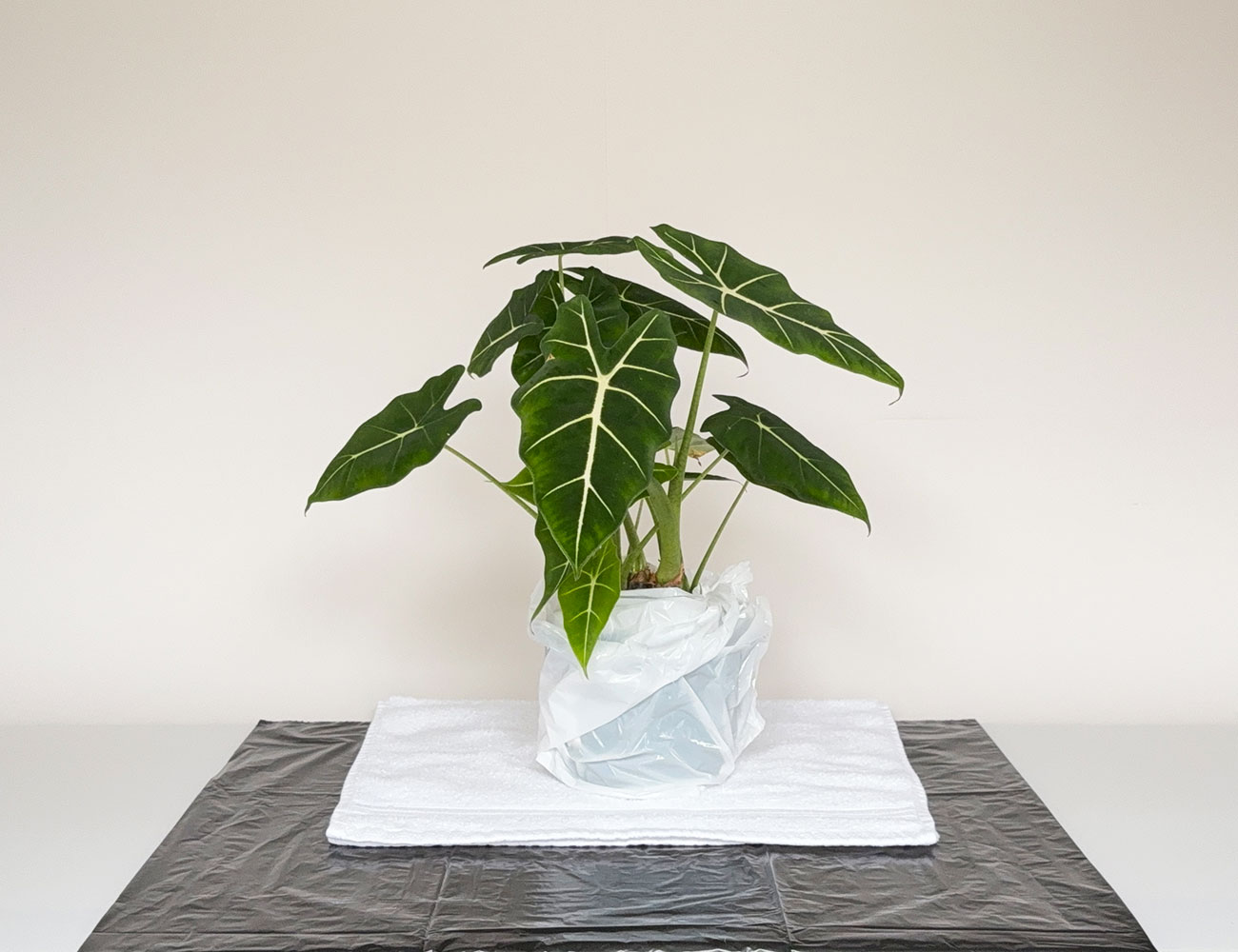
Wrap the pot
Cleaning
Prepare a workspace
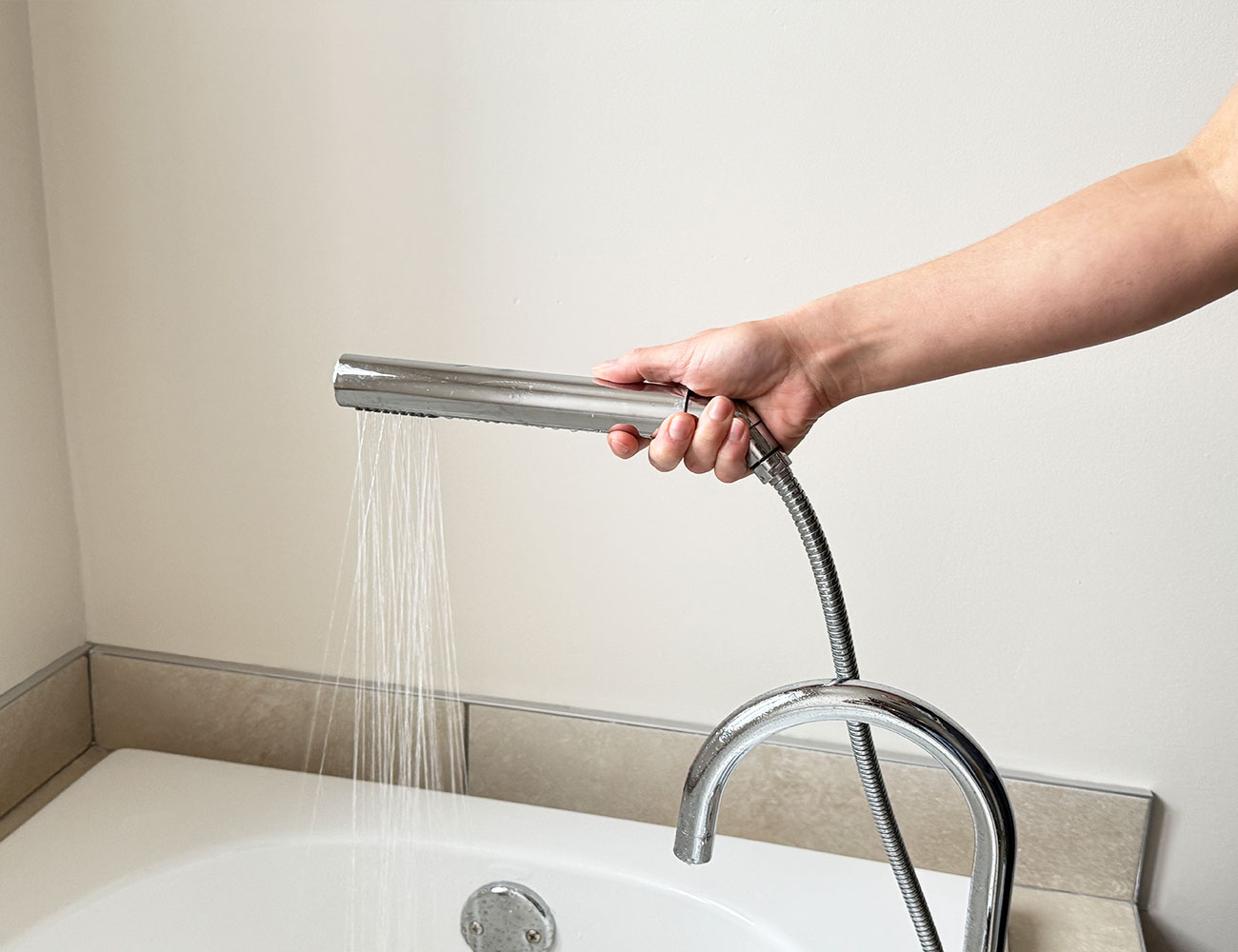
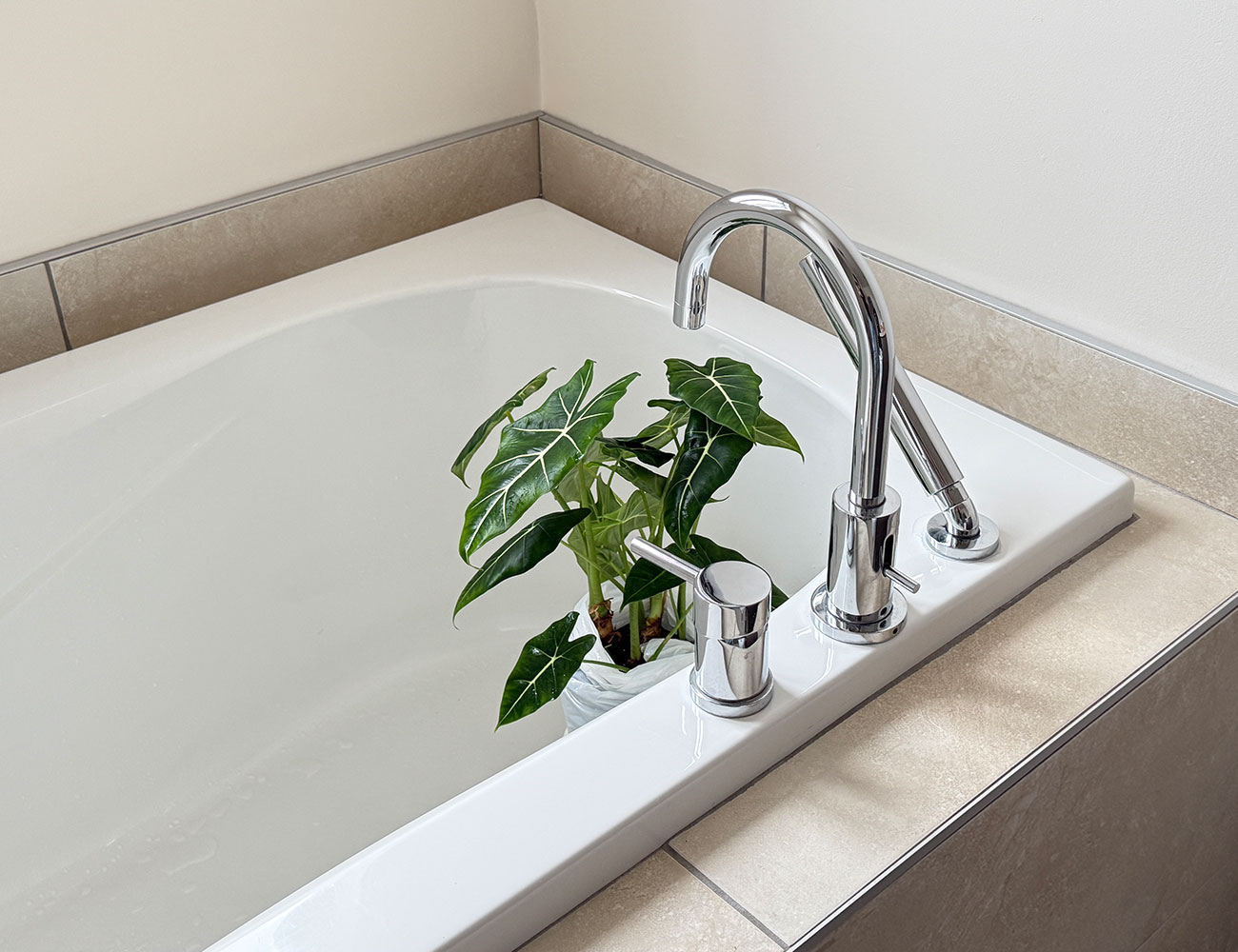
Adjust the water
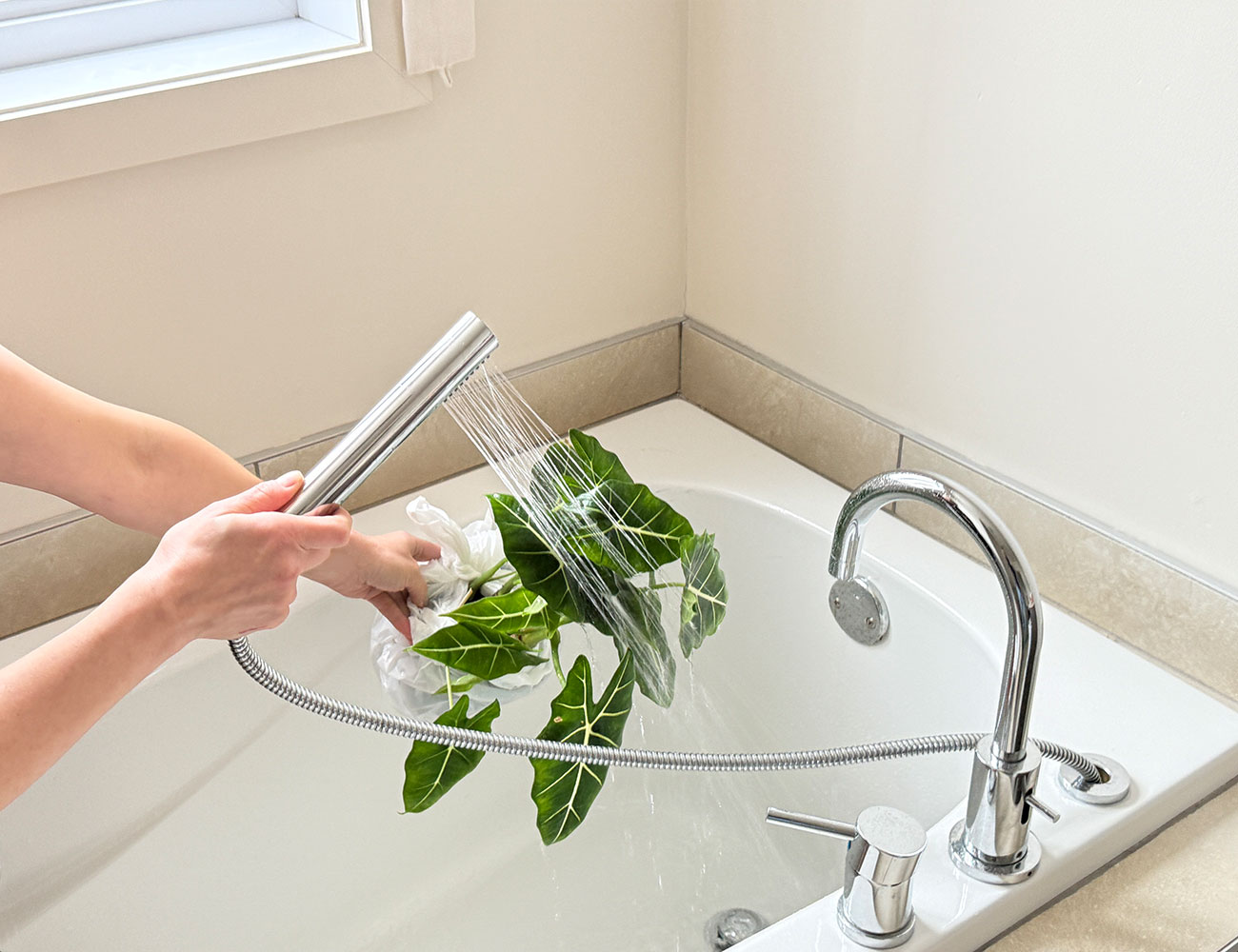
Wash the leaves and stems
Drying
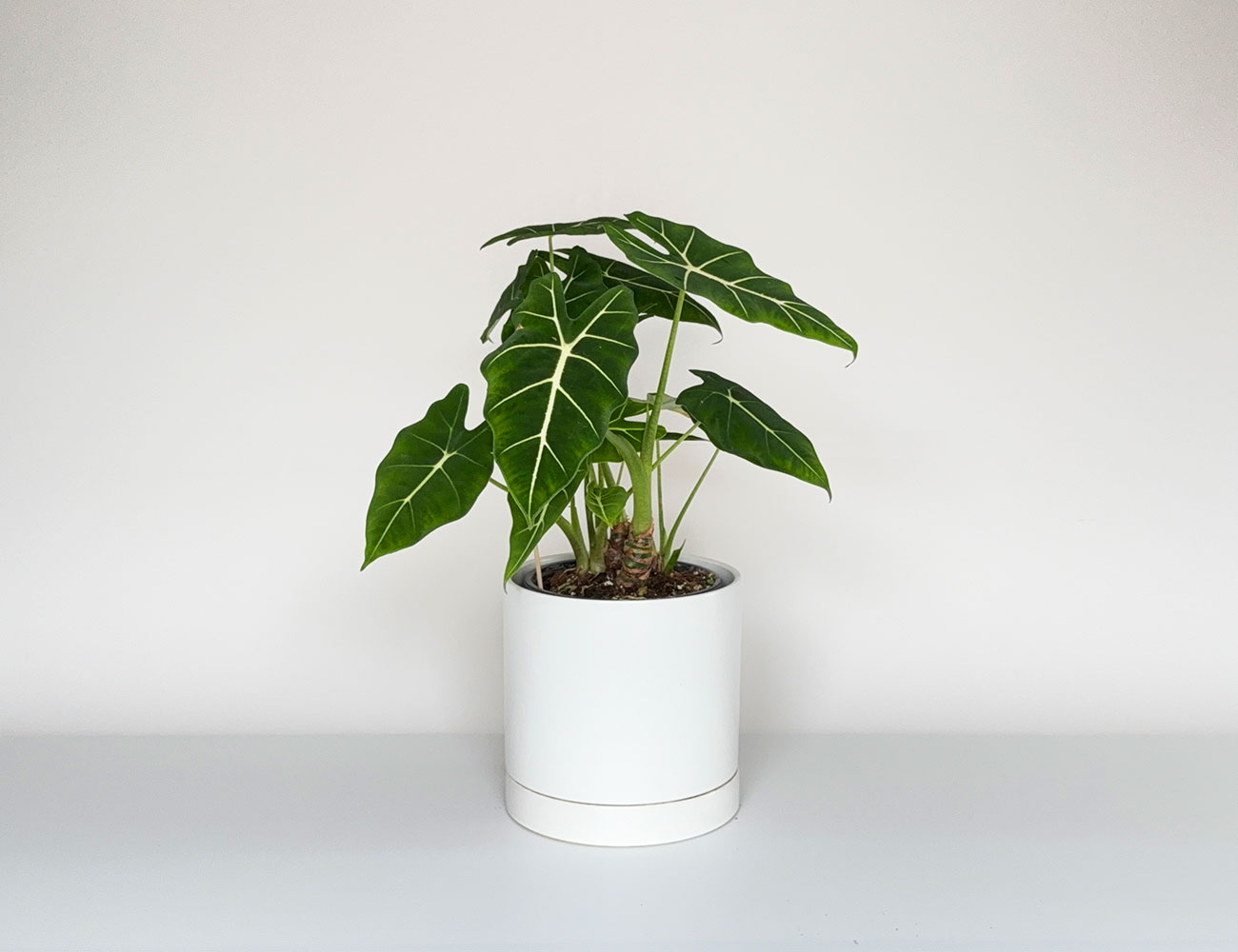
Let the plant dry
First introduction
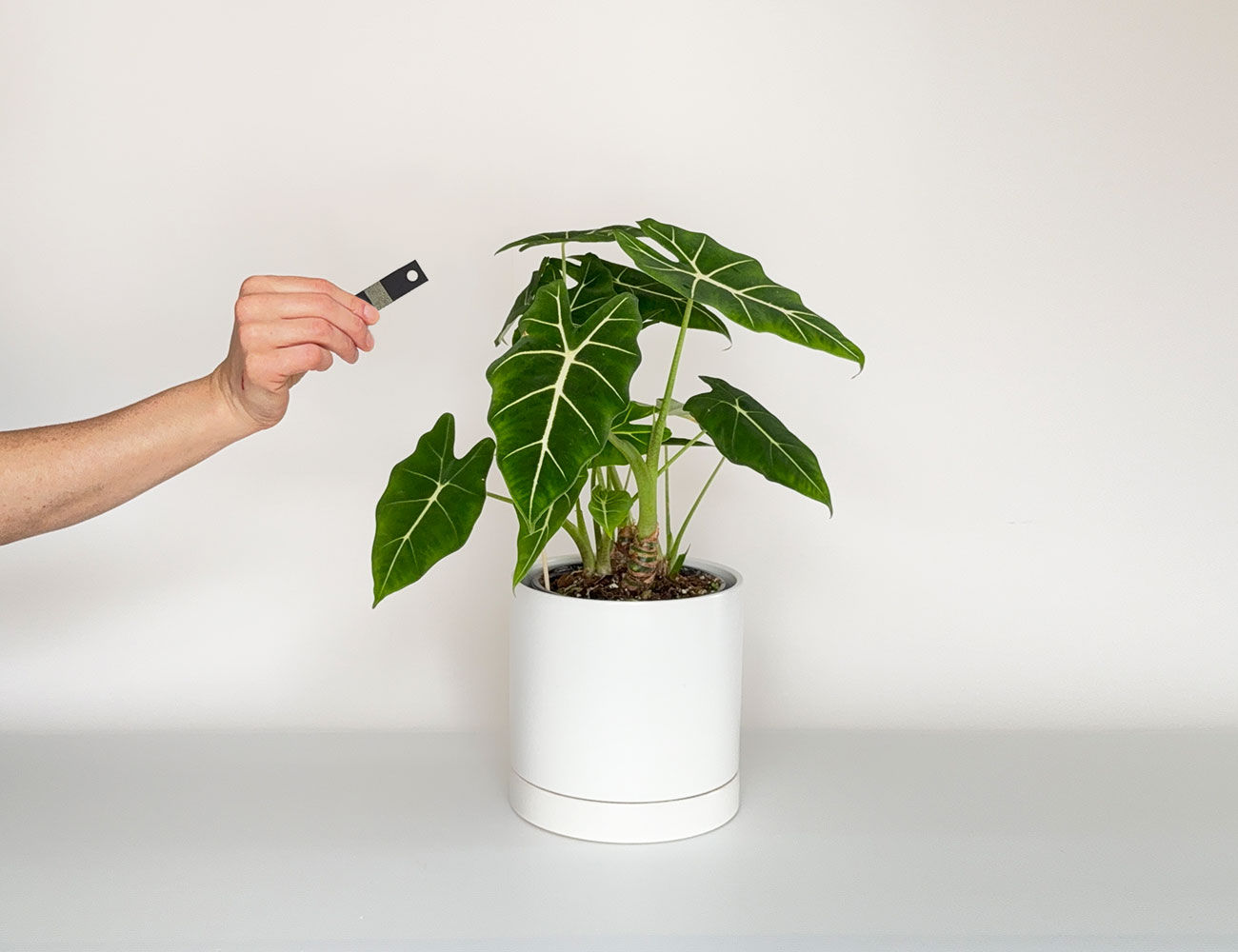
Introduce the lacewings
Second introduction
Repeat the introduction
A few important points
- Natural predators are particularly effective at detecting any remaining aphids once their population has been reduced. The more thorough the initial cleaning, the higher the chances of success.
- Since a single aphid can restart an infestation in just a few days, treatment must be carried out completely and without interruption.
Once the treatment is complete
Inspect the plants regularly for at least eight weeks. If new signs of aphids appear, repeat the cleaning of affected plants every five days. Otherwise, you can consider your treatment successful. For added caution, feel free to carry out a few additional introductions of green lacewings.