How to get rid of scale insects
| Difficulty High |
| Frequency High |
| Reproductive rate Up to 250x |
| Lifecycle Up to 60 days |
Scale insects, also known as scales, are small plant pests protected by a hard shell that attach themselves to plants to feed on their sap. Their presence can severely weaken the plants and lead to reduced growth.
Identifying scale insects
Scales are mostly immobile, and their appearance varies greatly depending on thousands of species. As a result, they can easily go unnoticed until a close inspection is carried out. These pests produce honeydew, a sticky substance visible on the leaves.
Early infestation
- Presence of a few scales
- Sticky substance on leaves and stems
Advanced infestation
- Numerous immobile scales visible
- Slowed or stunted growth
- Yellowing and leaf drop
- Black mold on leaves and stems
Treatment options
How to treat scale insects?
The most effective and safe strategy is to dislodge the majority of scale insects using a strong water jet and introduce green lacewings to detect and eliminate any remaining individuals.
Preparation
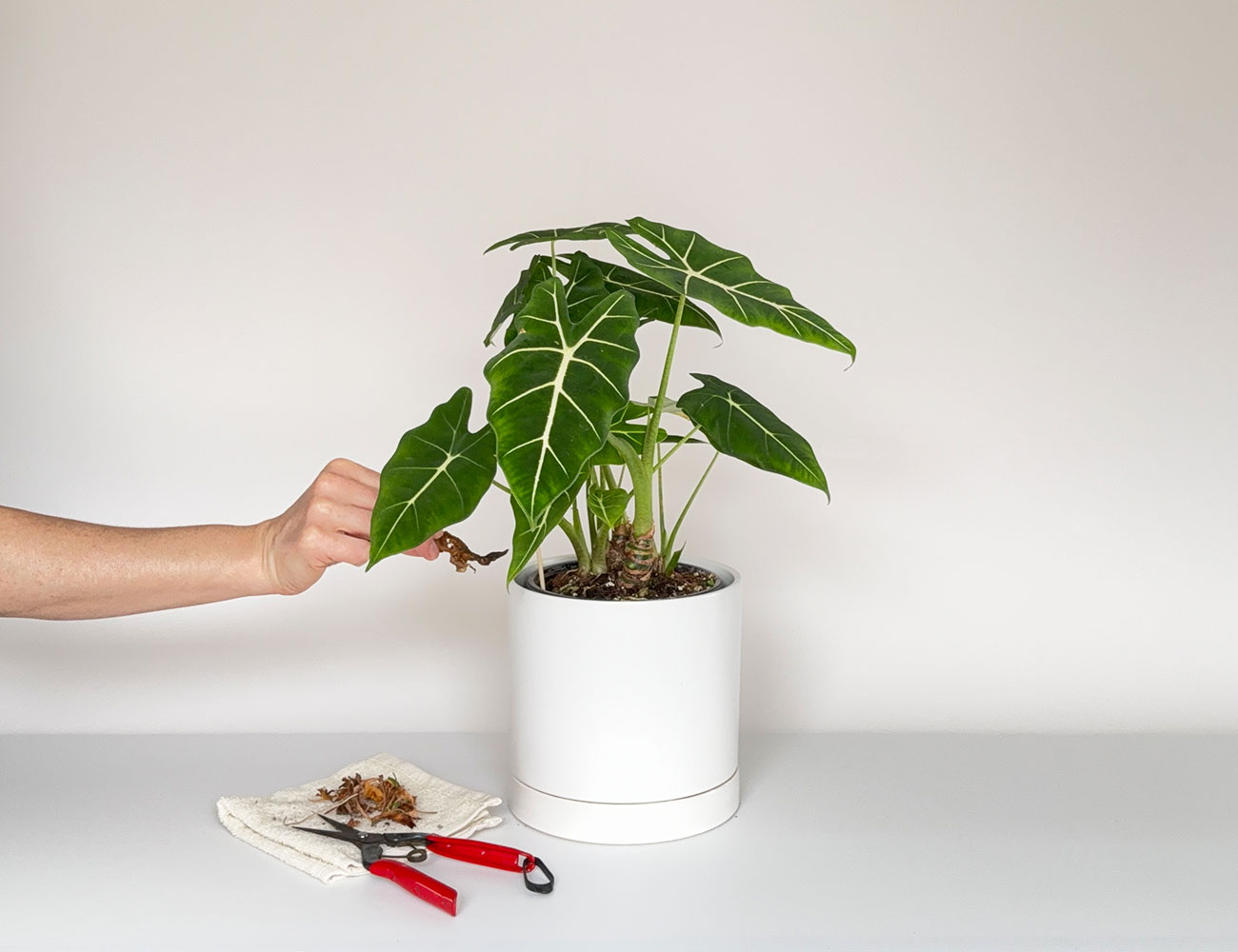
Remove debris
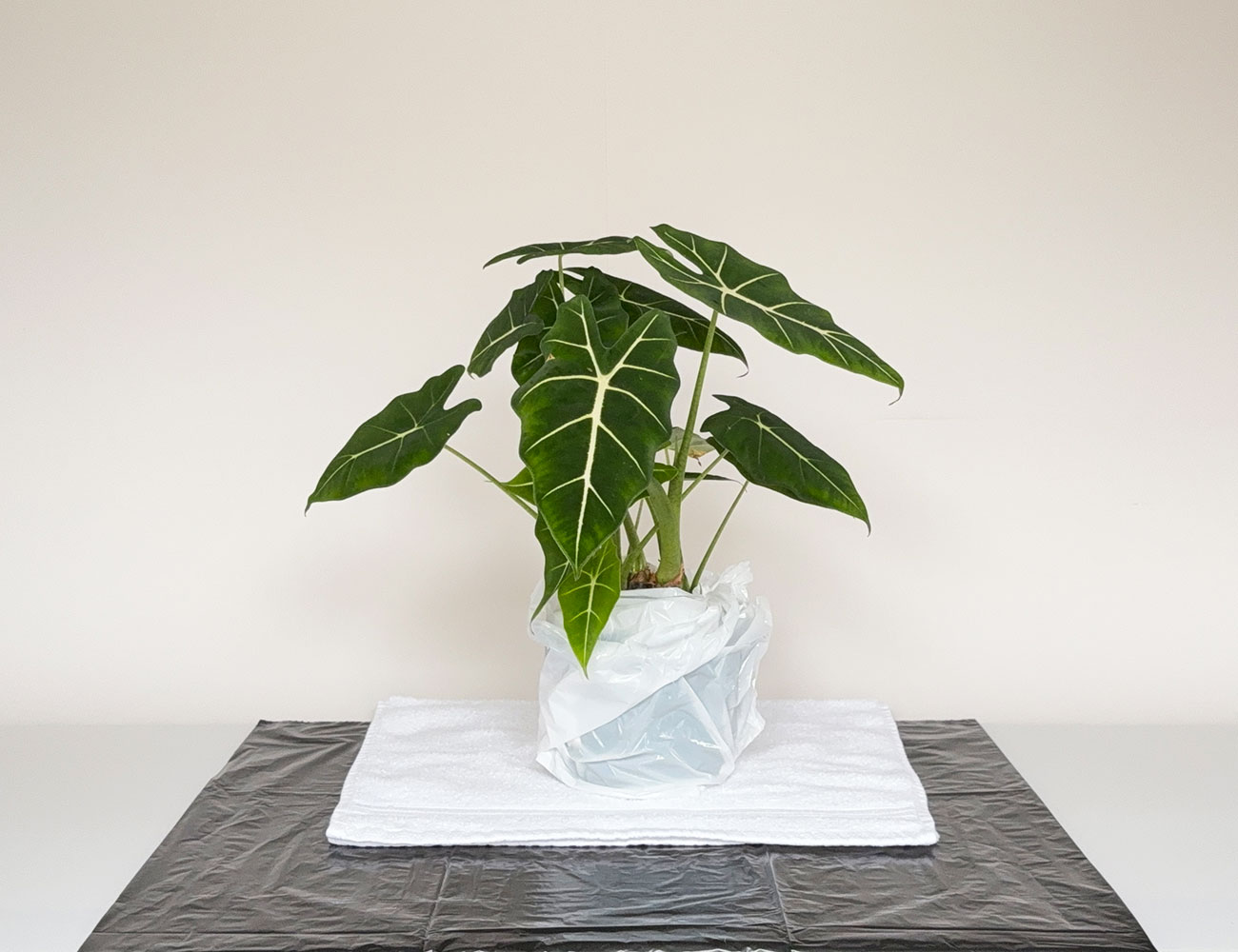
Wrap the pot
Cleaning
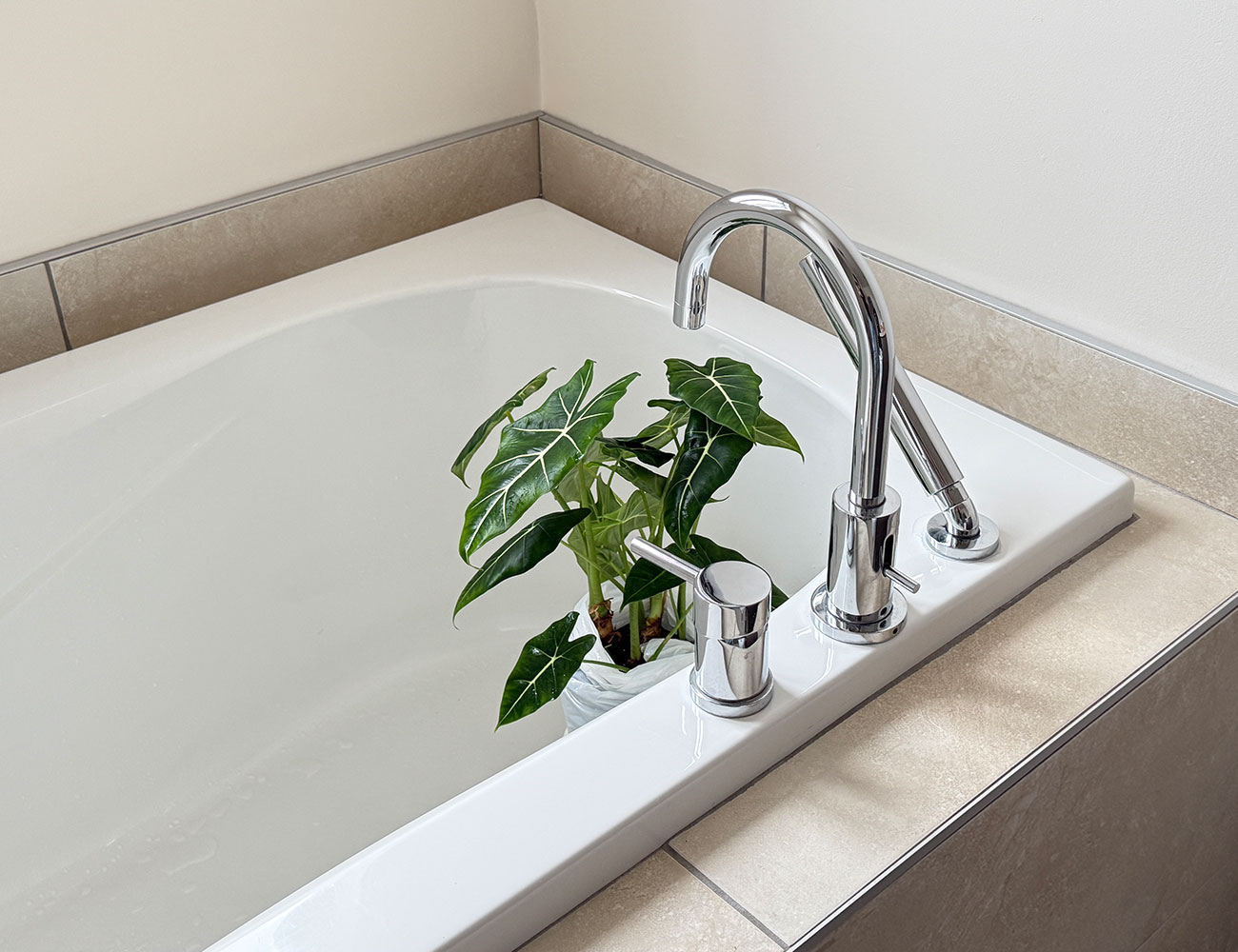
Prepare a workspace
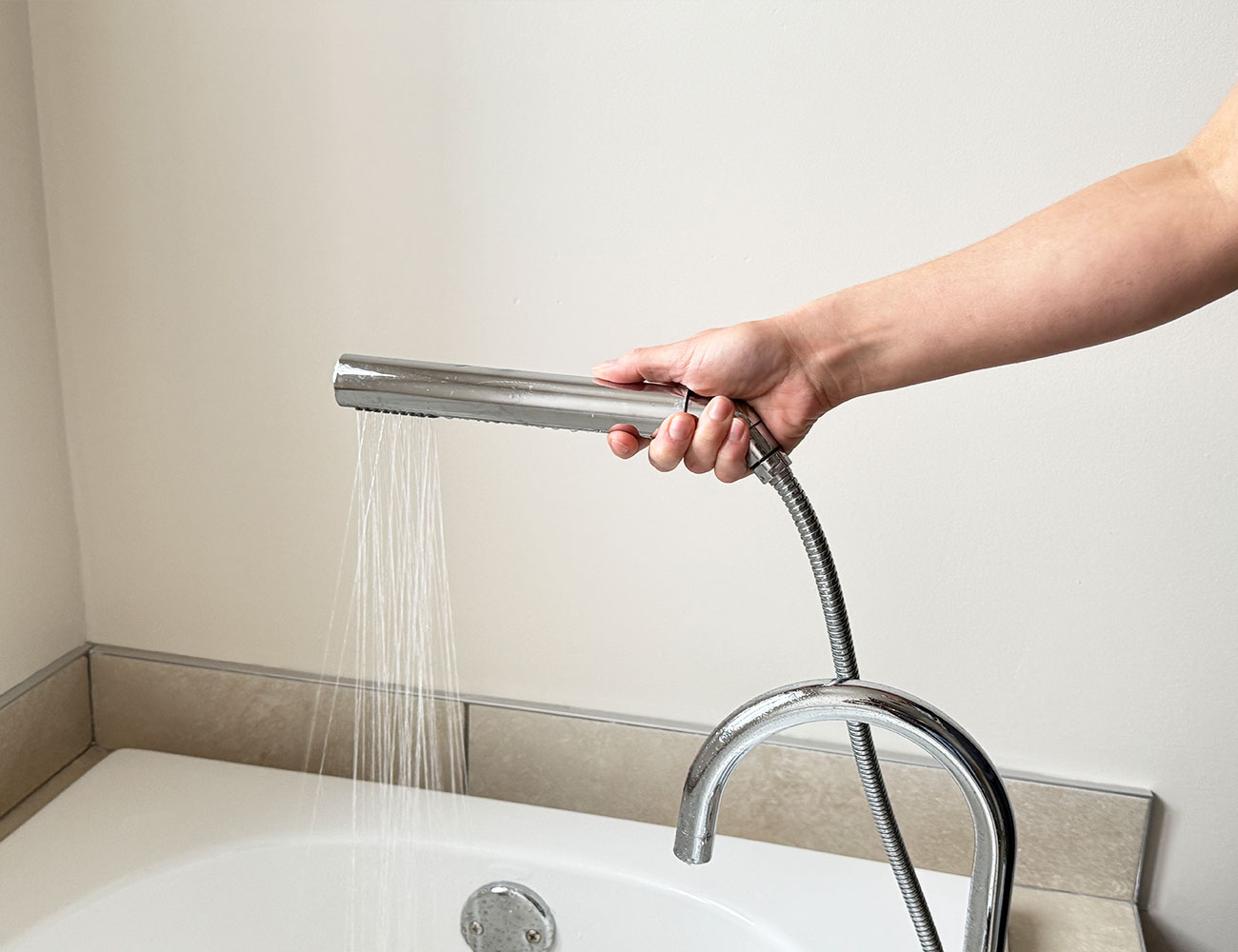
Adjust the water
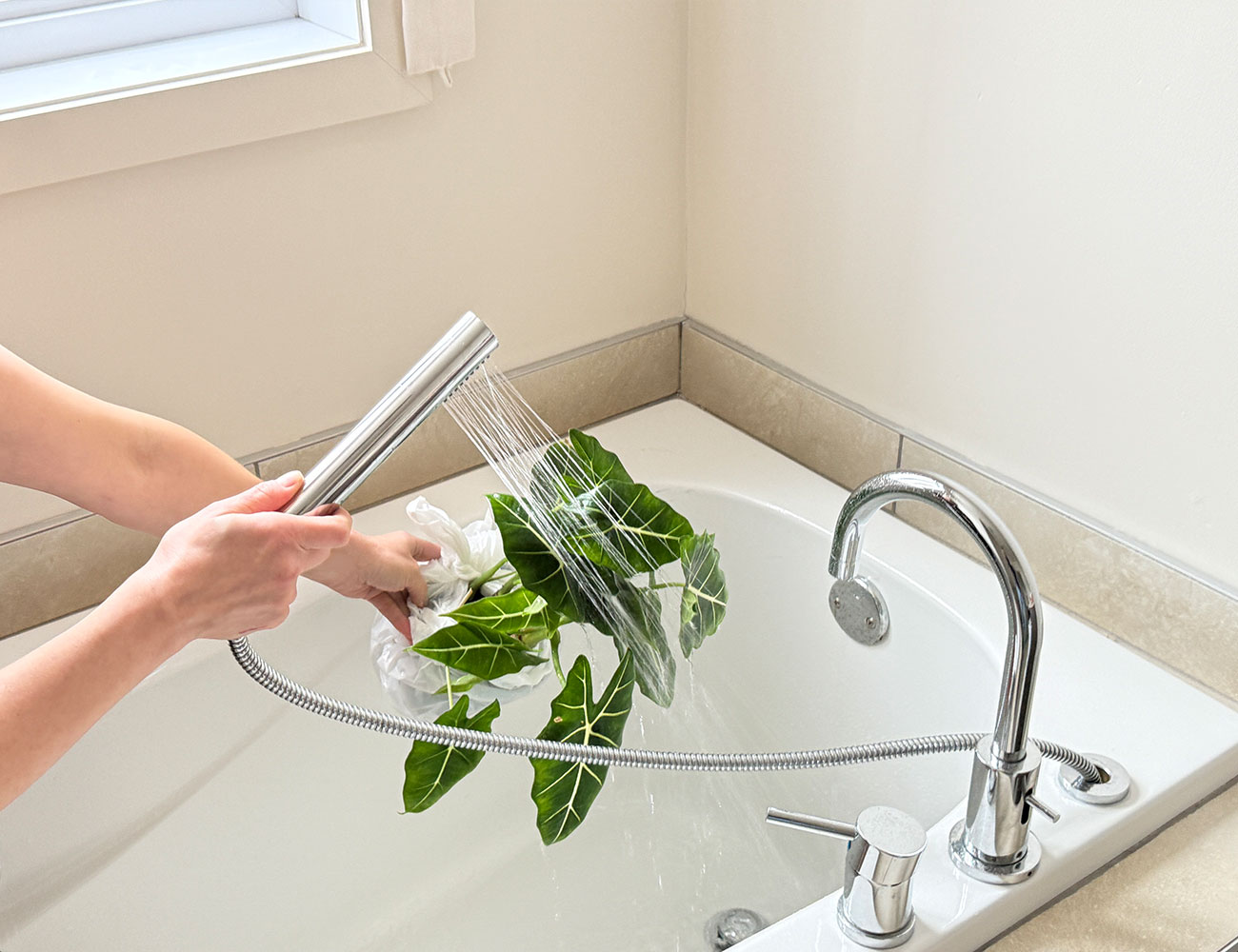
Wash the leaves and stems
Drying
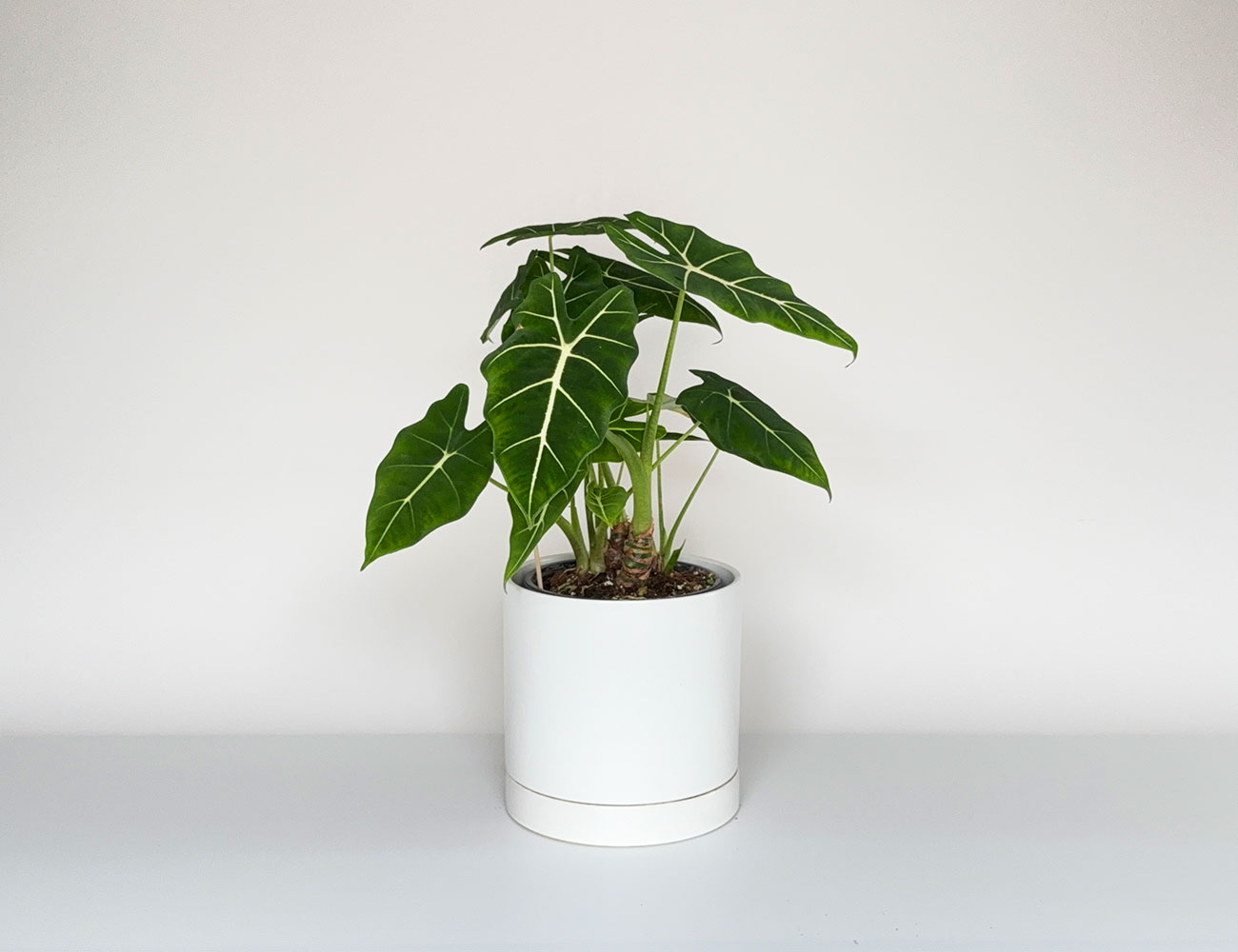
Let the plant dry
First introduction
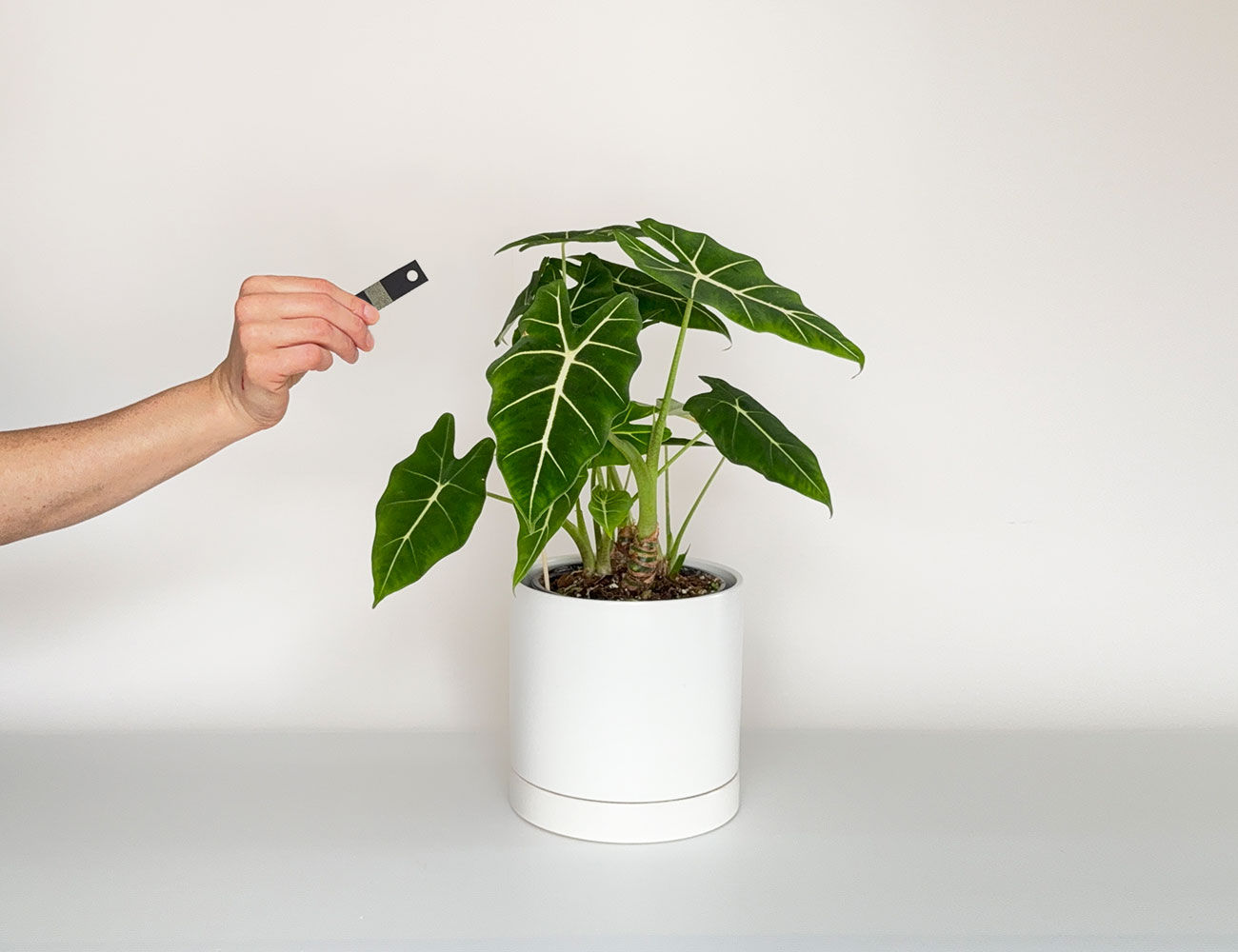
Introduce the lacewings
Second introduction
Repeat the introduction
A few important points
- Natural predators are particularly effective at detecting hidden scale insects once their population has been reduced. The more thorough the initial cleaning, the higher the chances of success.
- Since adults are particularly resilient and nymphs can remain hidden in the plant’s crevices for some time, multiple introductions are generally necessary.
Once the treatment is complete
Inspect the plants regularly for at least eight weeks. If new signs of scale insects appear, repeat the cleaning of affected plants every five days. Otherwise, you can consider your treatment successful. For added caution, feel free to carry out a few additional introductions of green lacewings.