Public Holidays : Pickups and deliveries will be suspended during the weeks of June 22 and June 29 due to anticipated carriers delays.

Mealybugs are small plant pests whose females are white and waxy. They feed on plant sap, and their spread can slow growth and significantly weaken the plants.

Tropical plants
Orchids
Cacti and succulents

Identifying mealybugs

The presence of mealybugs is easy to detect. In addition to their characteristic appearance, females can produce cotton-like clusters on plants or nearby. These insects also produce honeydew, a sticky substance visible on the leaves. A black mold called sooty mold can develop on this honeydew.

Early infestation

  • Sticky substance on leaves and stems
  • Slowed growth
  • Cottony substance on the plant
  • General weakening of the plant

Advanced infestation

  • Yellowing and leaf drop
  • Cottony substance around the plant
  • Black mold on leaves and stems
Female mealybug
Cottony substance

Treatment options

You will need :

  • Scissors / Pruners
  • Plastic bags

Natural predators :

How to treat mealybugs?

The most effective and safe strategy is to dislodge the majority of mealybugs using a strong water jet and introduce green lacewings to detect and eliminate any remaining individuals.

1

Preparation

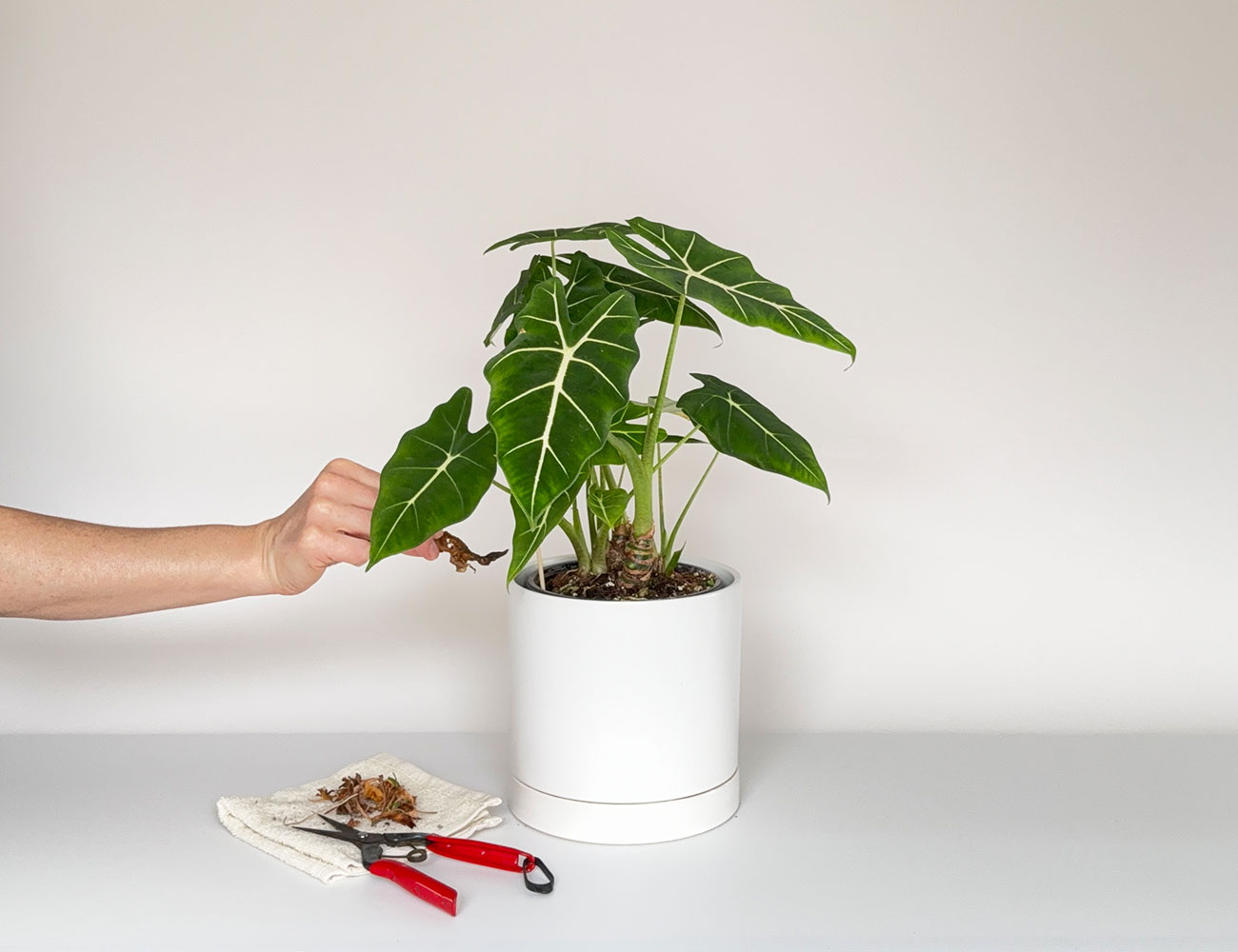
Removing debris from the soil of a tropical plant

Remove debris

Start by removing dead leaves and other debris from the plant.
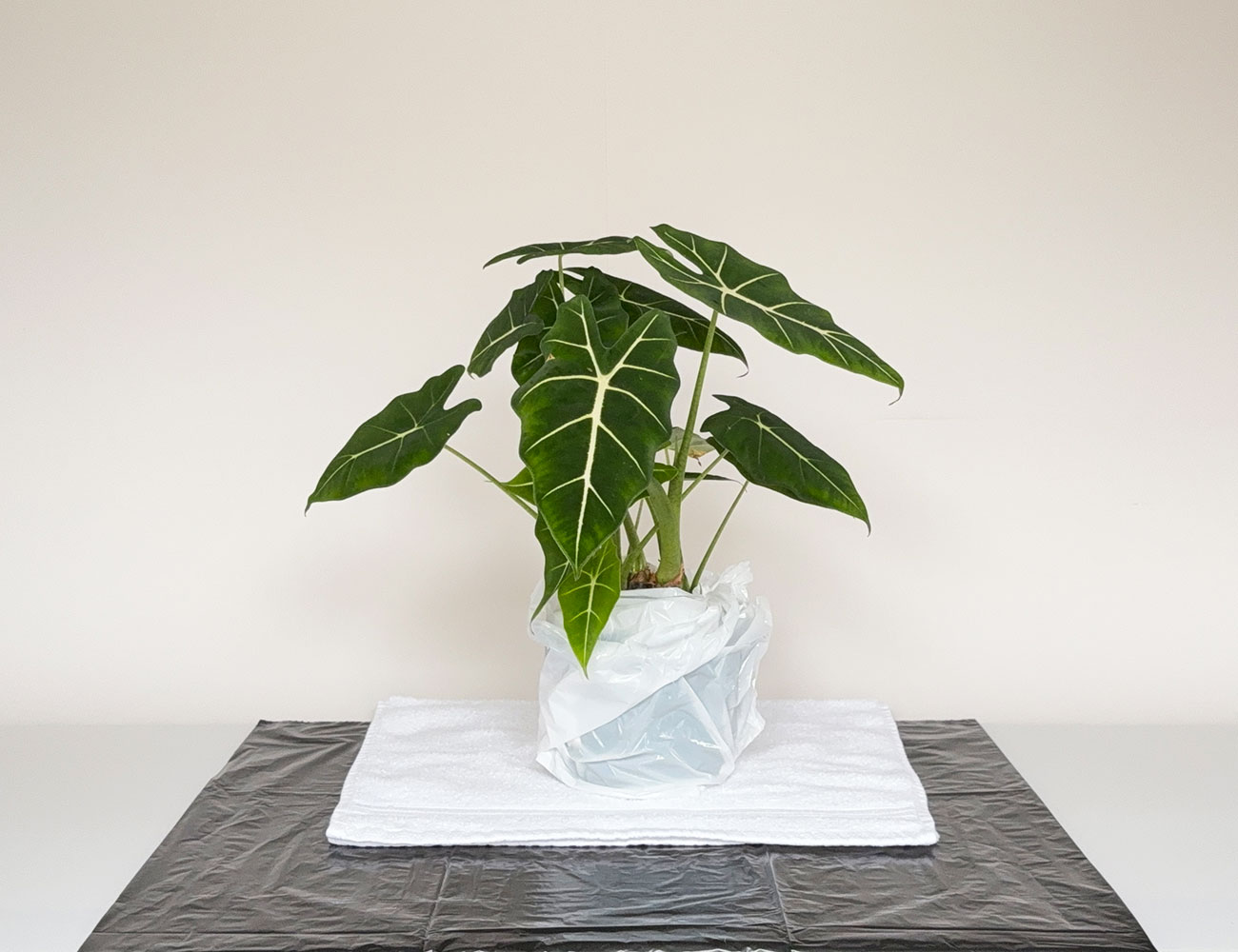
Wrapping of a tropical plant's pot

Wrap the pot

Wrap the pot in a plastic bag to protect the root ball during the treatment.
2

Cleaning

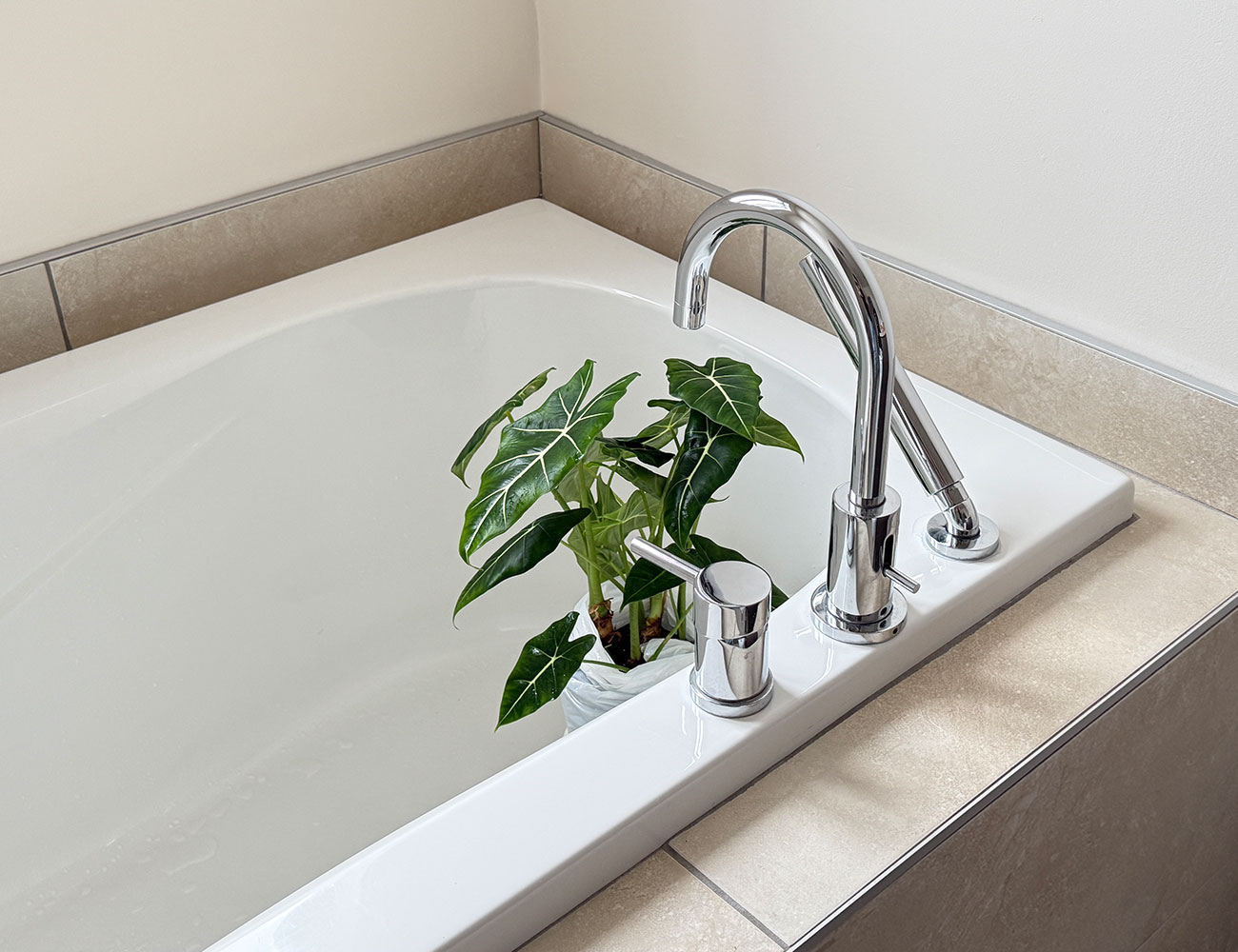
Tropical plant in a bathtub

Prepare a workspace

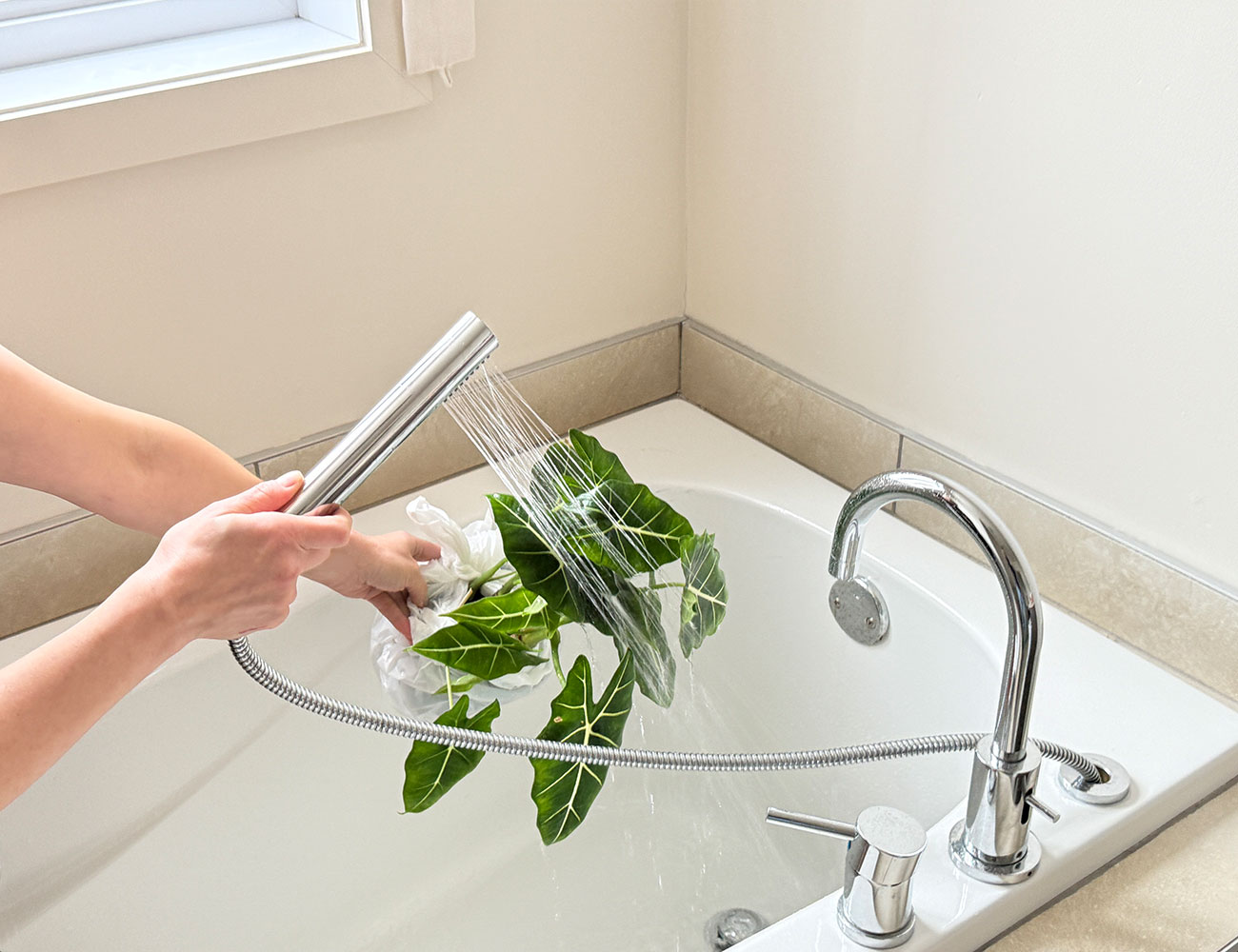
Prepare a workspace that can get wet; ideally outside, in the sink or in the bathtub.
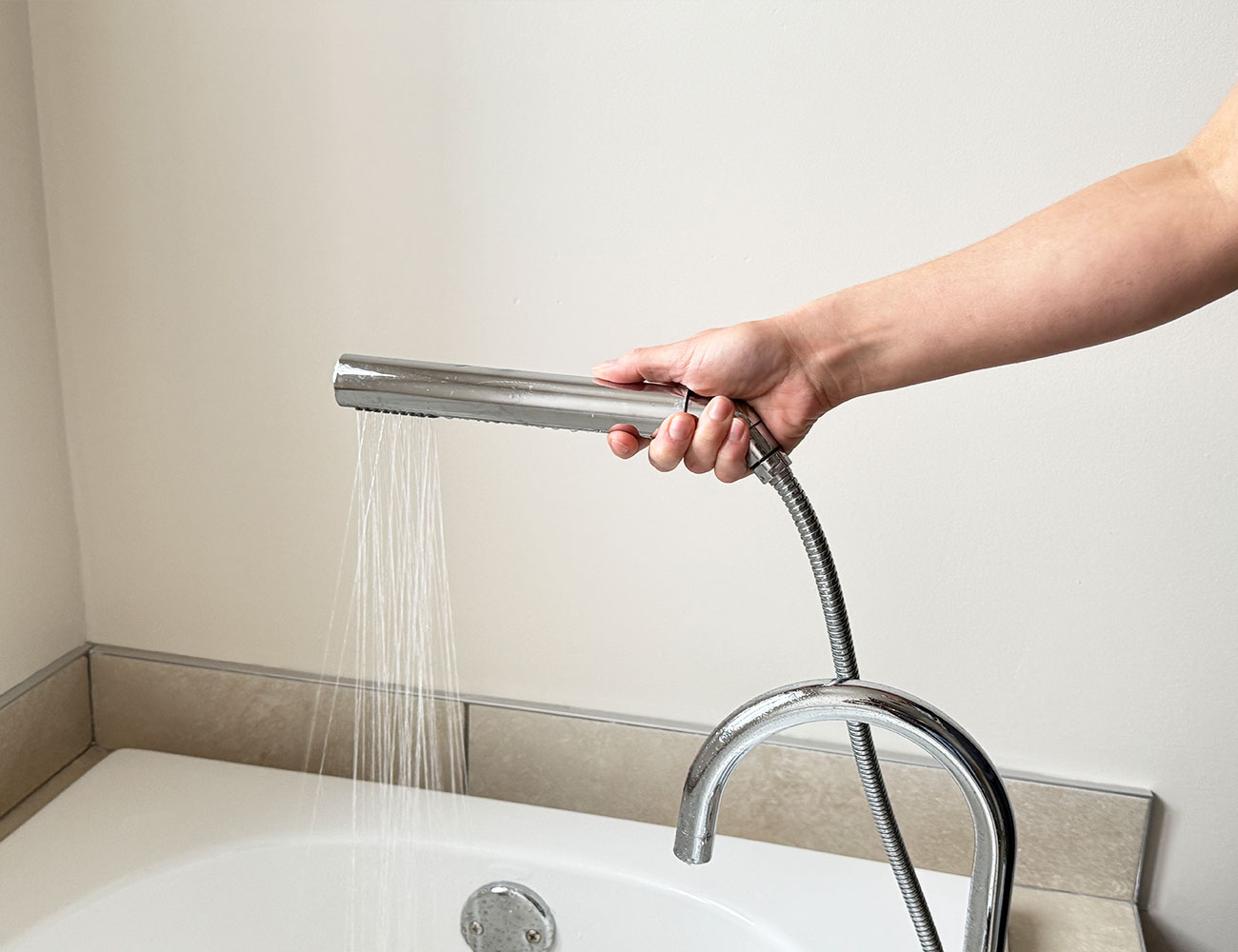
Adjusting the water jet on a showerhead

Adjust the water

Use the strongest jet of water possible without damaging the plant (hose, faucet, showerhead, etc.).
Cleaning a tropical plant with a powerful water jet

Wash the leaves and stems

Generously spray all the leaves and stems, paying close attention to the nodes and small gaps. Cover all angles in several passes.
3

Drying

Tropical plant on a work surface

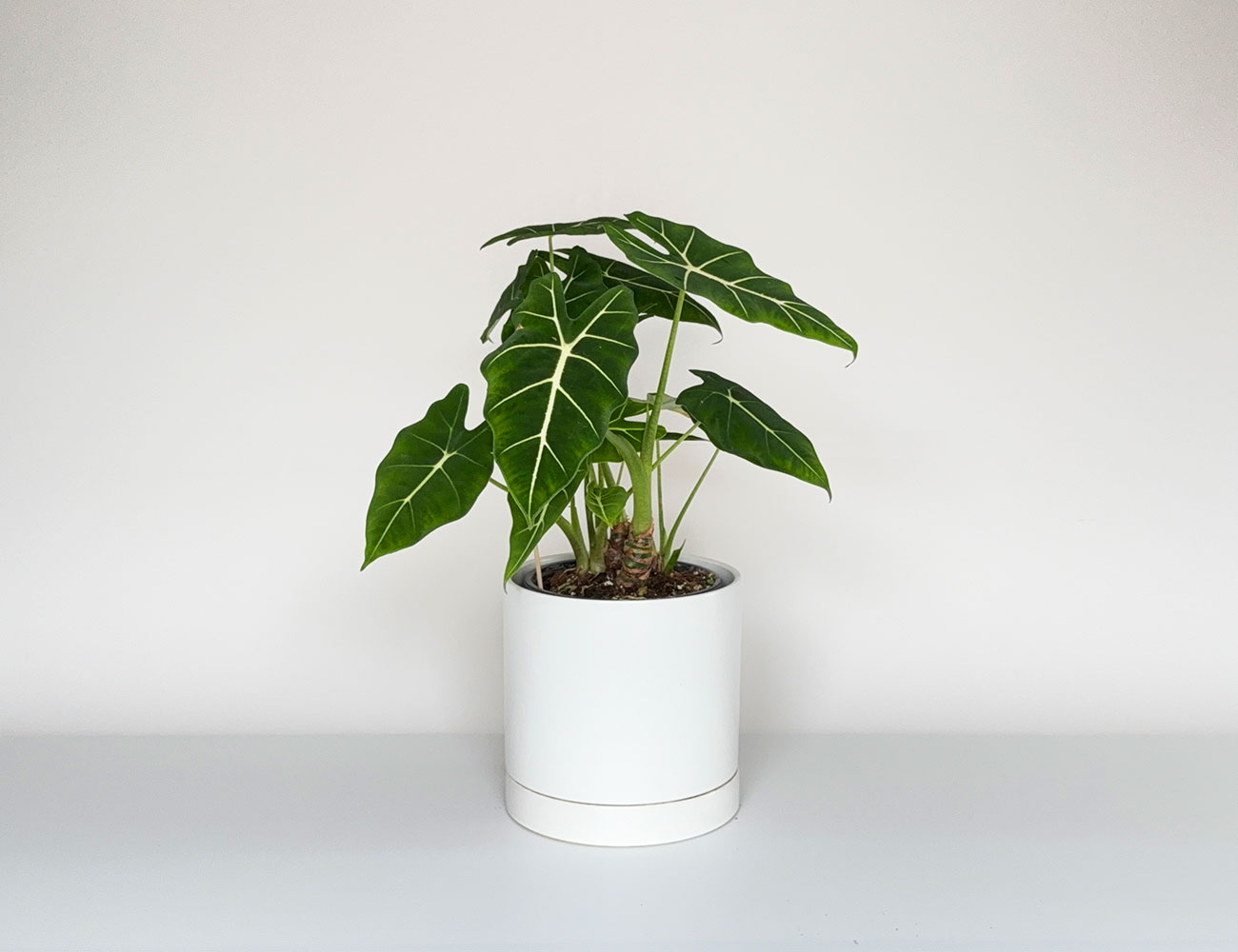
Let the plant dry

Wait for the leaves to be completely dry before introducing predators.
4

First introduction

Installation of green lacewing strips in the foliage of a tropical plant

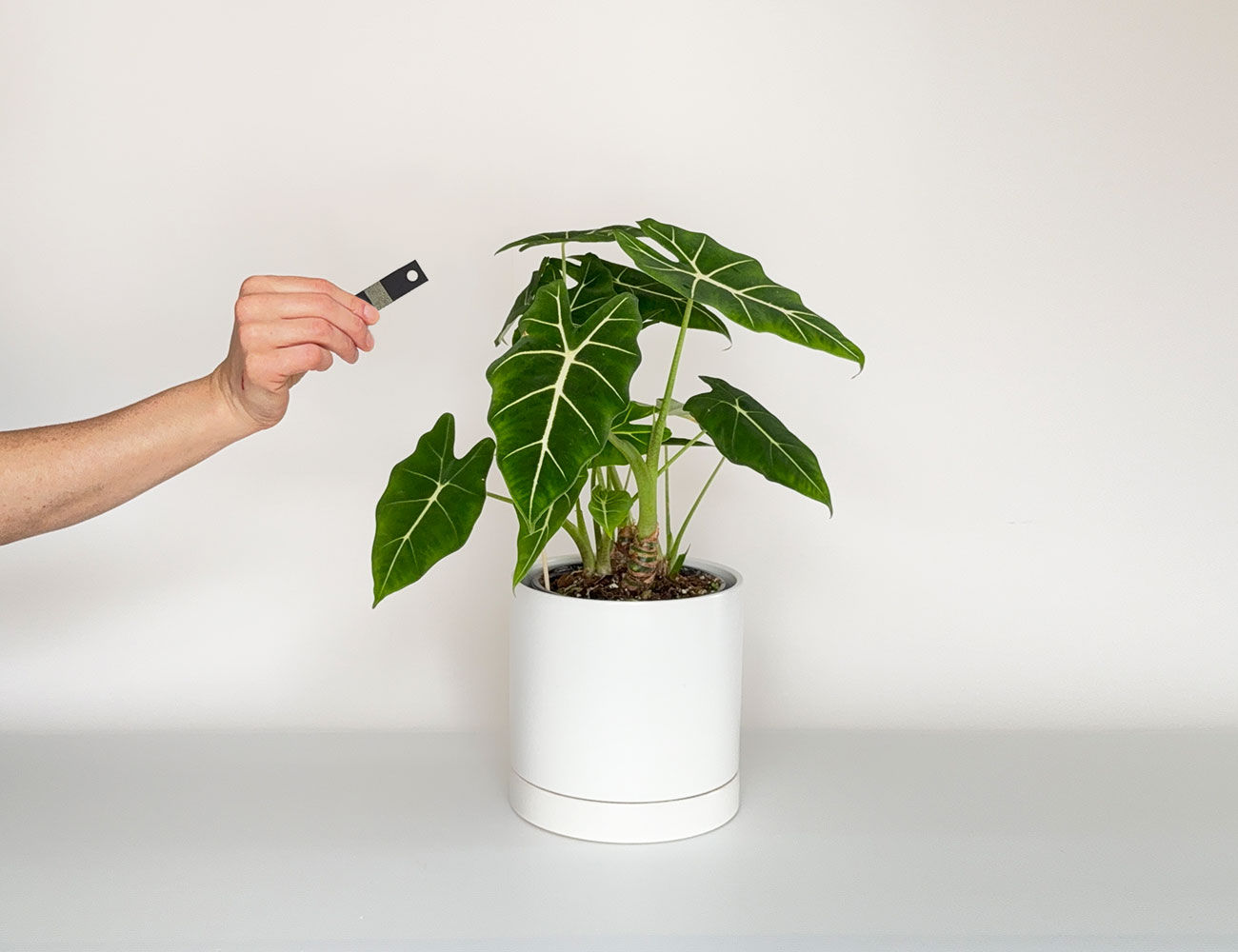
Introduce the lacewings

Install the lacewing strips in the plant’s foliage.
5

Second introduction

Installation of green lacewing strips in the foliage of a tropical plant

Repeat the introduction

Wait three weeks and repeat the same introduction.

A few important points

  • Natural predators are particularly effective at detecting hidden mealybugs once their population has been reduced. The more thorough the initial cleaning, the higher the chances of success.
  • Since adults are particularly resilient and nymphs can remain hidden in the plant’s crevices for some time, at least two introductions are generally necessary.

Once the treatment is complete

Inspect the plants regularly for at least eight weeks. If new signs of mealybugs appear, repeat the cleaning of affected plants every five days. Otherwise, you can consider your treatment successful. For added caution, feel free to carry out a few additional introductions of green lacewings.

Do I absolutely need to treat all my plants?
Mealybugs spread quickly, and the absence of symptoms does not mean the plants are healthy. It is therefore strongly recommended to treat all plants simultaneously.
What should I do if I cannot wash a plant with a water jet?
If washing the plant with a water jet is not possible, you will need to reduce the mealybug population by other means. A common alternative is the black soap foliar treatment. Spray it very generously to saturate all surfaces of the plant, without exception.
Do I need to repeat cleaning before each introduction?
Cleaning is always necessary before the first introduction. If the initial infestation was severe or many insects are still visible at the time of subsequent introductions, it is preferable to carry out another pre-introduction cleaning. Conversely, it is no longer necessary once the infestation appears to be under control.
Is it necessary to replace the substrate to treat mealybugs?
The nymphs and adult mealybugs remain on the foliage. Therefore, it is unnecessary to replace the plant's substrate. In case of heavy infestation, inspect the outside of the pot and clean it if necessary.
Need advice ? Do not hesitate to contact us for assistance regarding biological control.