Public Holidays : Pickups and deliveries will be suspended during the weeks of June 22 and June 29 due to anticipated carriers delays.

Whiteflies are small flying insects that feed on plant sap, leading to weakening and reduced growth. Their rapid reproduction can severely stress the plants.

Ornamental plants
Vegetable plants
Greenhouse plants

Identifying whiteflies

Whiteflies cause various types of damage, such as wilted, spotted, or pitted leaves. A sticky substance may build up on the leaves, while small white dots appear on their underside. Gently shaking the plant disturbs the whiteflies and makes the small white insects visible.

Early infestation

  • Small yellow or white spots on the leaves

Advanced infestation

  • Presence of white pupae under the leaves
  • Yellowing or wilting of the foliage
  • Sticky substance on leaves and stems
  • Slowed growth

Treatment options

You will need :

Natural predators :

How to treat whiteflies?

The most effective and safe strategy is to dislodge the majority of immature whiteflies using a strong water jet and introduce natural predators to detect and eliminate any remaining individuals. Combining Amblyseius swirskii and green lacewings targets eggs, larvae, and pupae. Yellow sticky traps help reduce the adult population.

1

Preparation

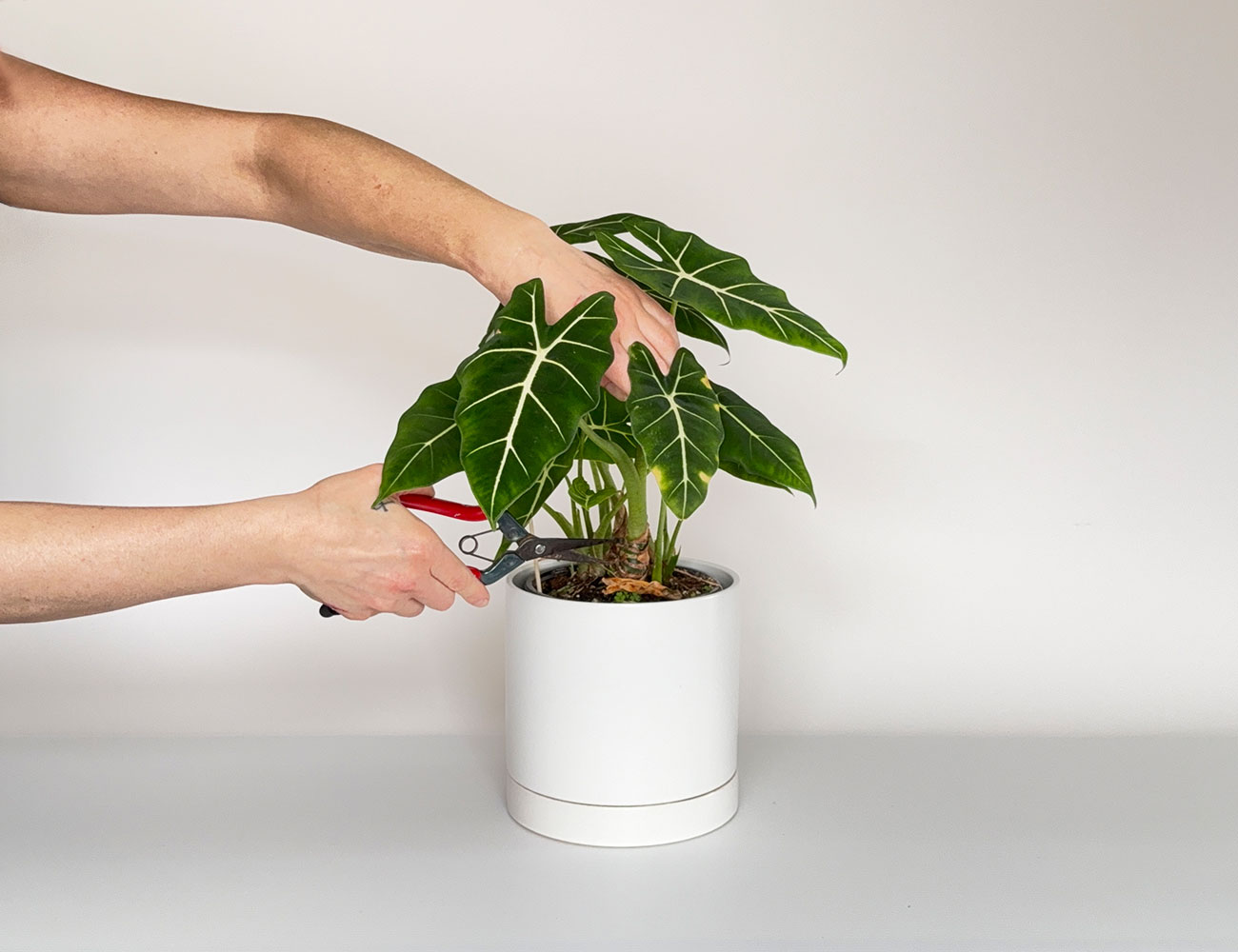
Cutting a damaged leaf in a tropical plant

Cut off damaged leaves

The most damaged leaves usually harbor whitefly pupae. If possible, cut them off.
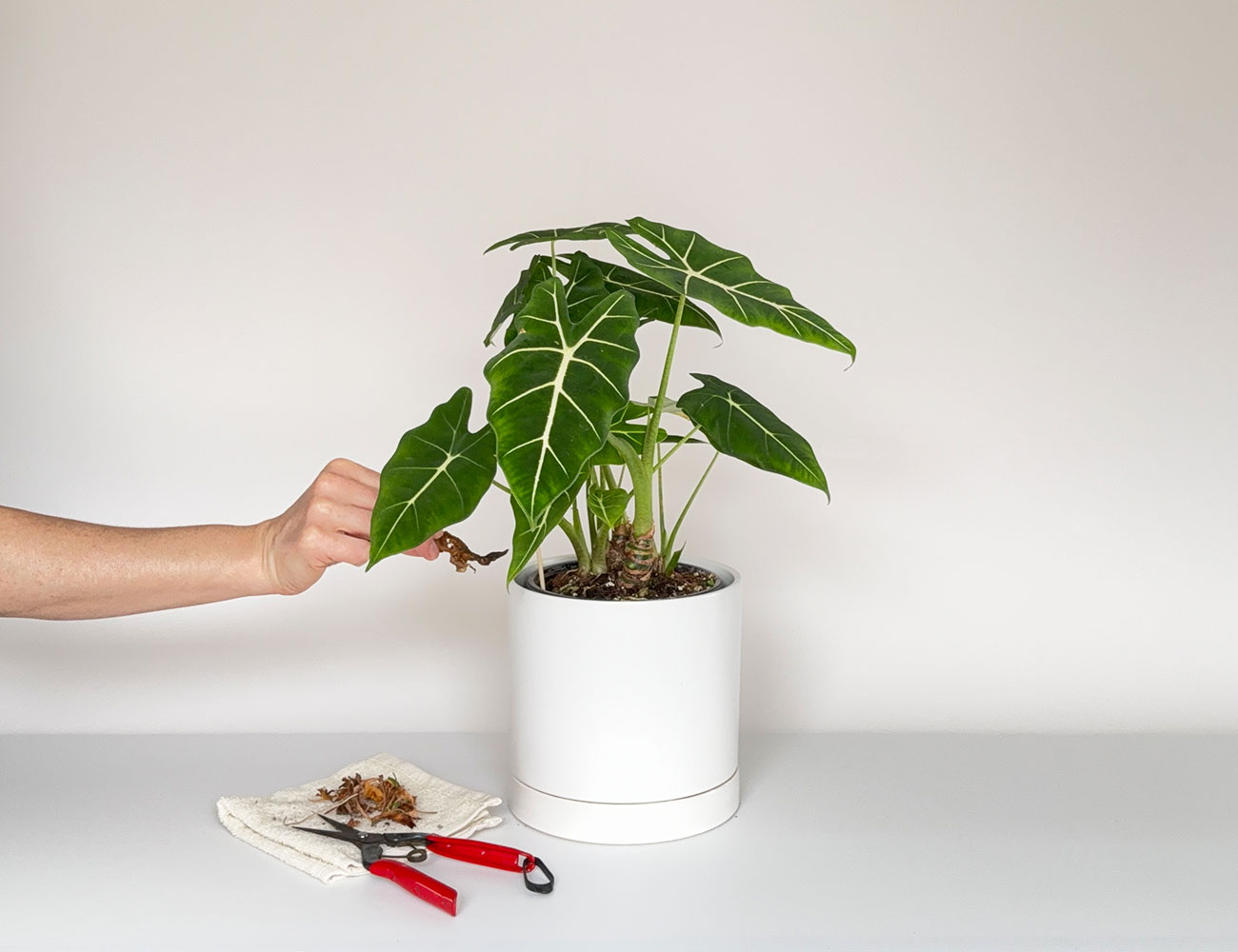
Removing debris from the soil of a tropical plant

Remove debris

Remove dead leaves and other debris that may interfere with the treatment.
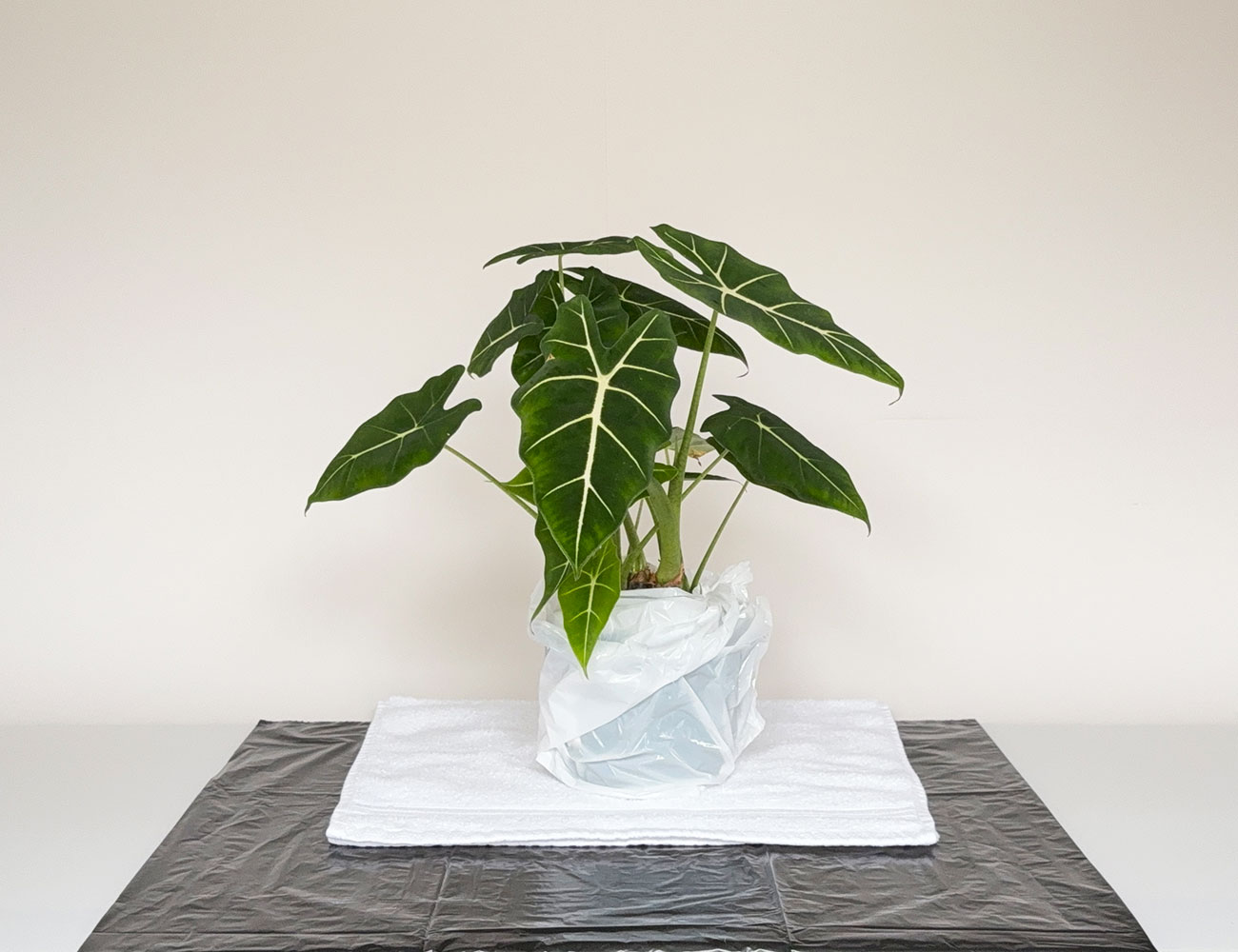
Wrapping of a tropical plant's pot

Wrap the pot

Wrap the pot in a plastic bag to protect the root ball during the treatment.
2

Cleaning

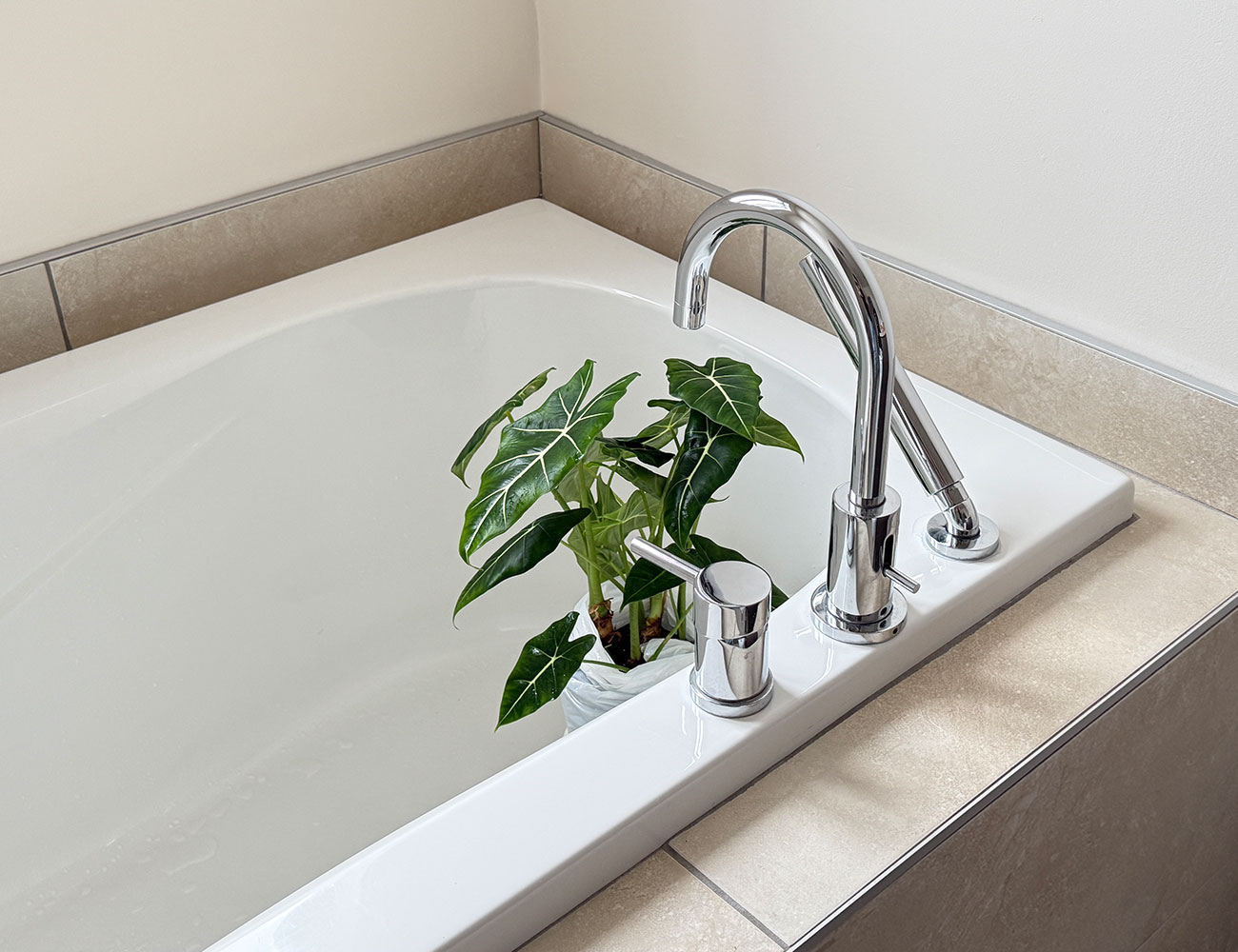
Tropical plant in a bathtub

Prepare a workspace

Prepare a workspace that can get wet; ideally outside, in the sink or in the bathtub.
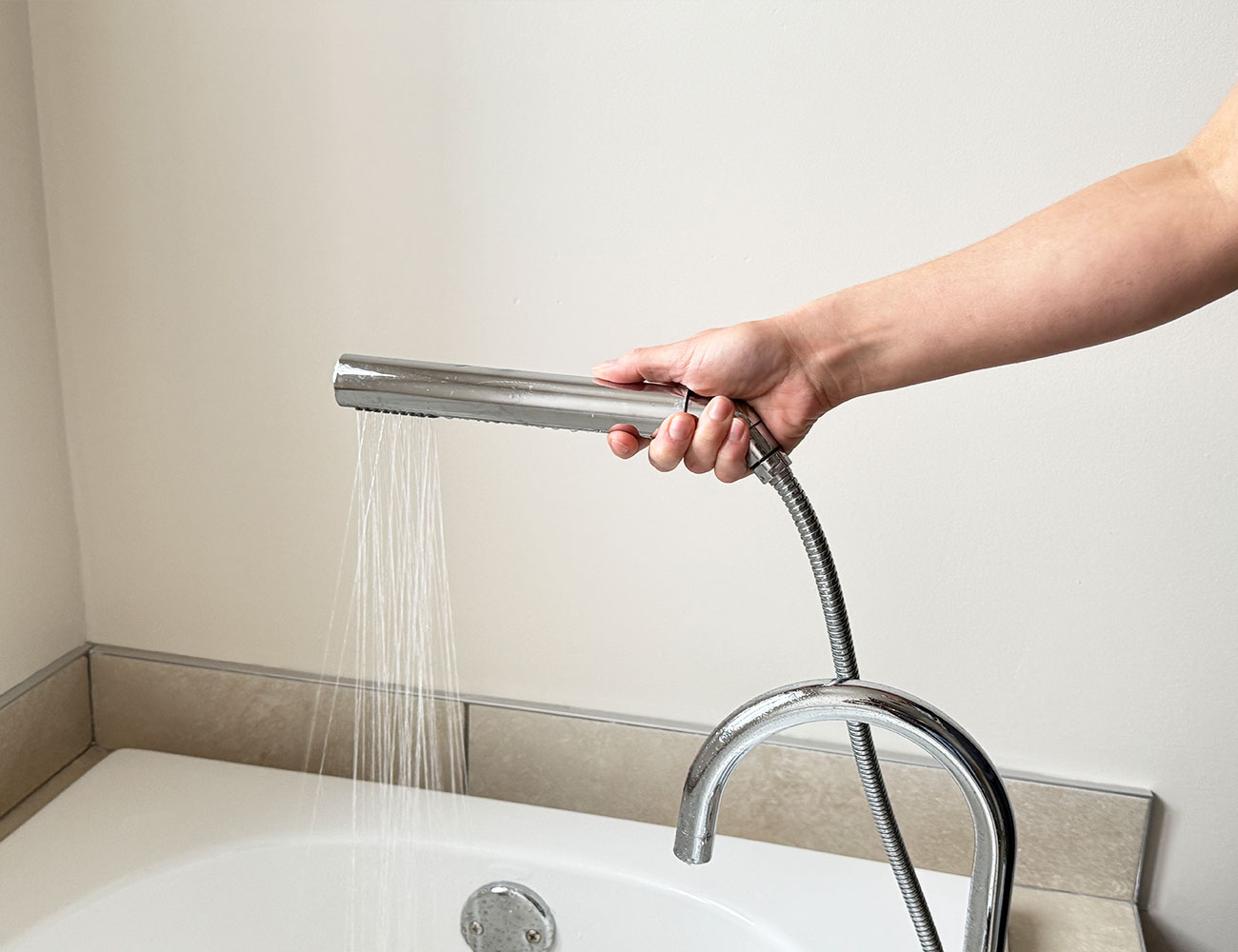
Adjusting the water jet on a showerhead

Adjust the water

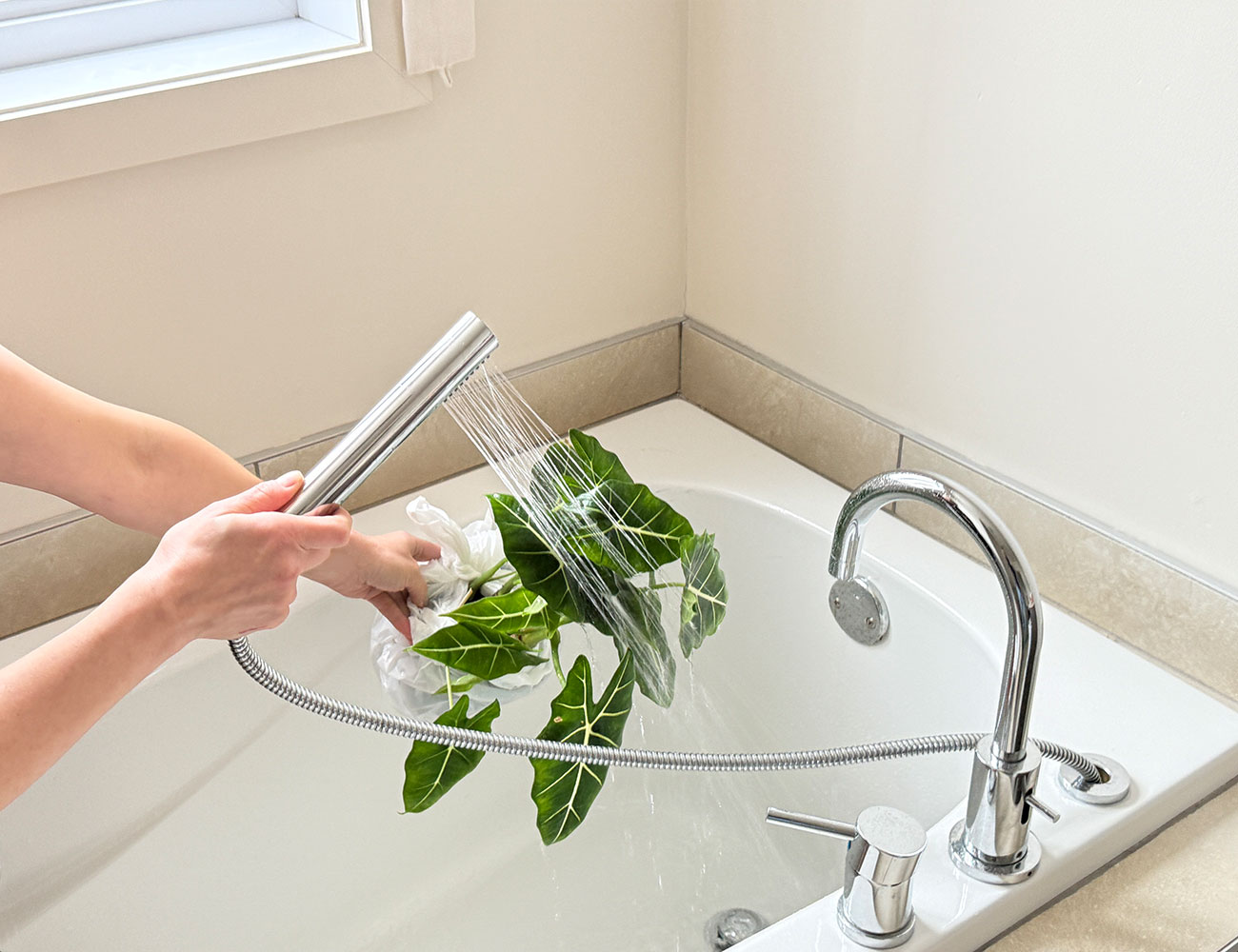
Use the strongest jet of water possible without damaging the plant (hose, faucet, showerhead, etc.).
Cleaning a tropical plant with a powerful water jet

Wash the leaves and stems

Generously spray all leaves and stems, paying close attention to the underside of the leaves. Cover all angles in several passes.
3

Drying

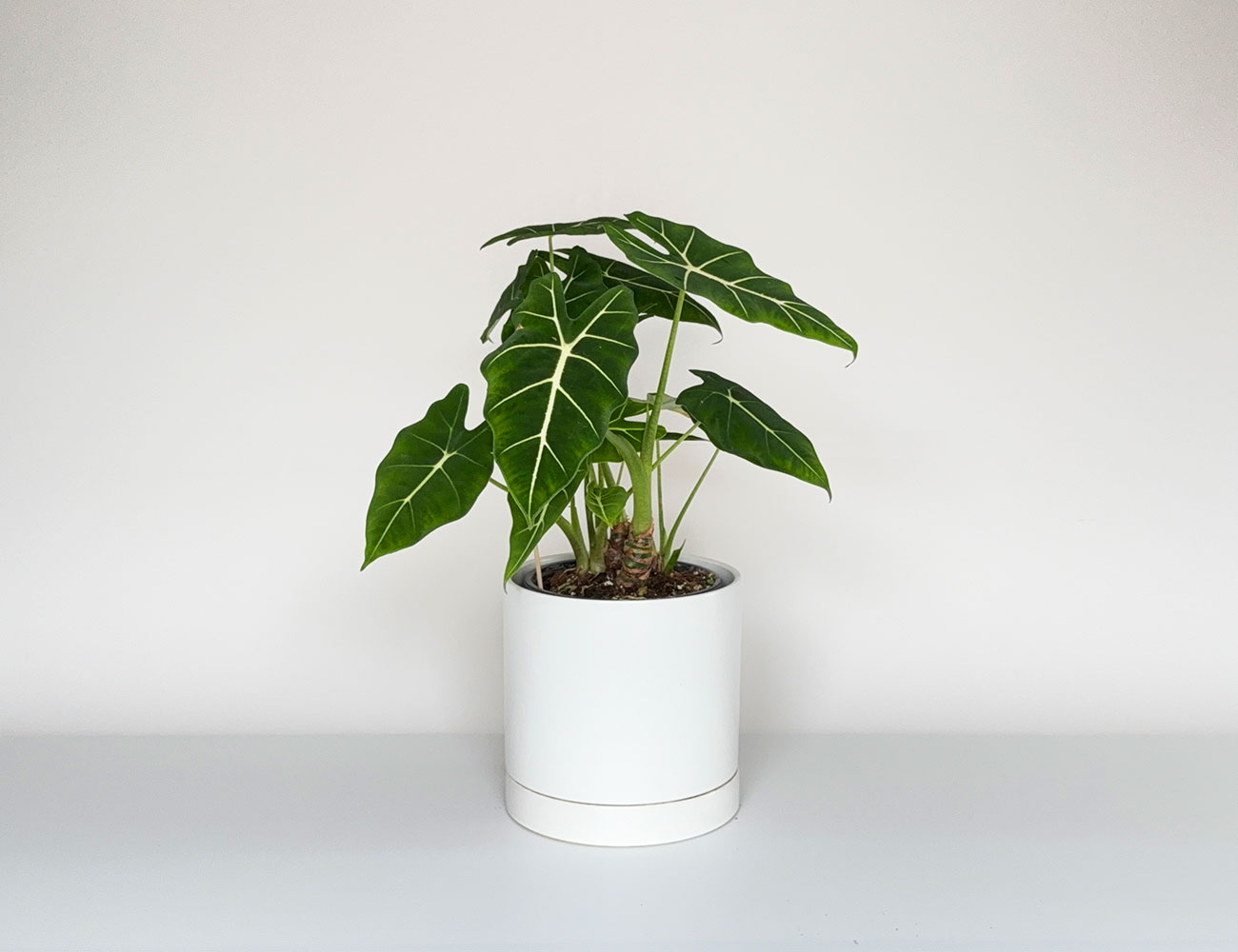
Tropical plant on a work surface

Let the plant dry

Wait for the leaves to be completely dry before introducing predators.
4

Sticky traps

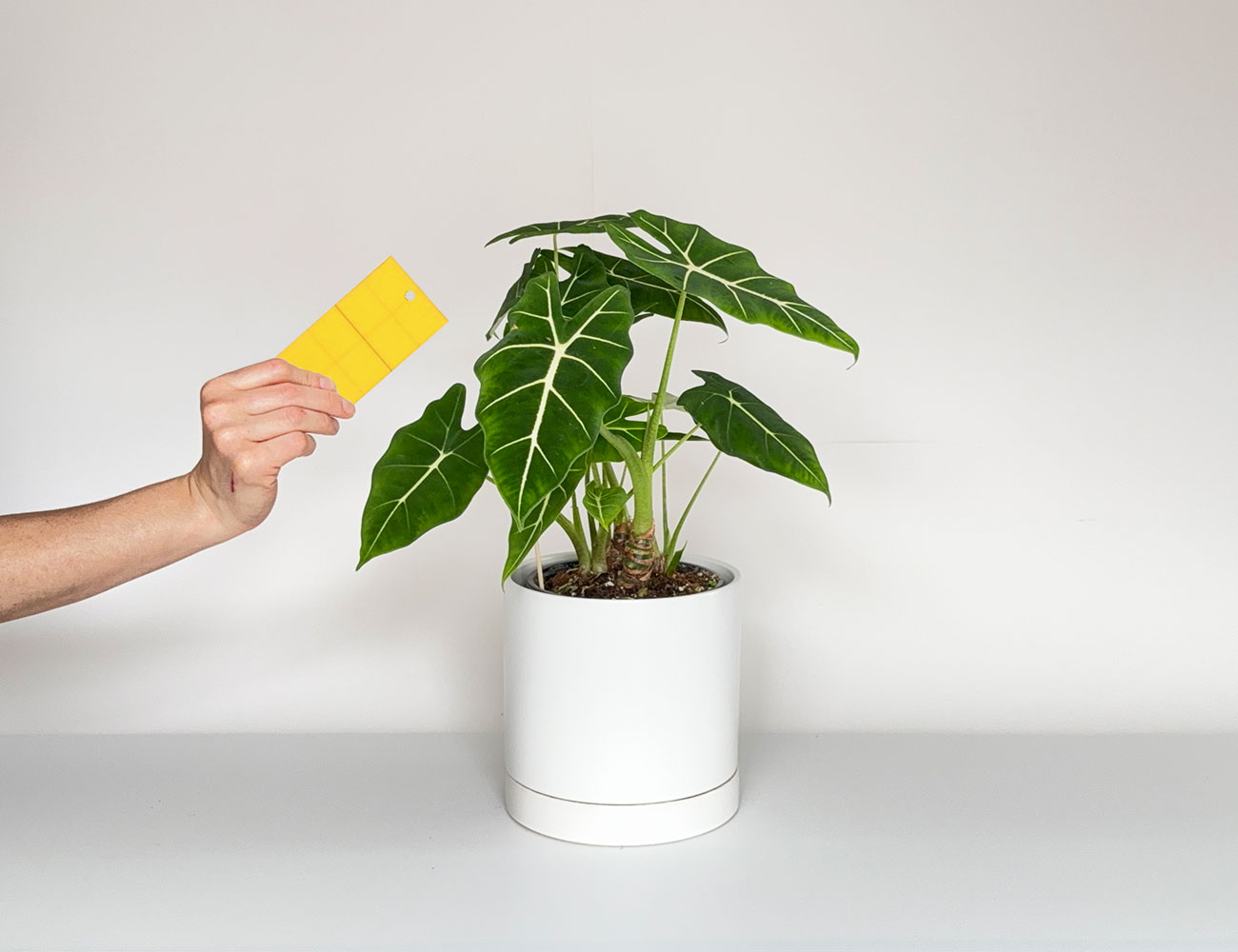
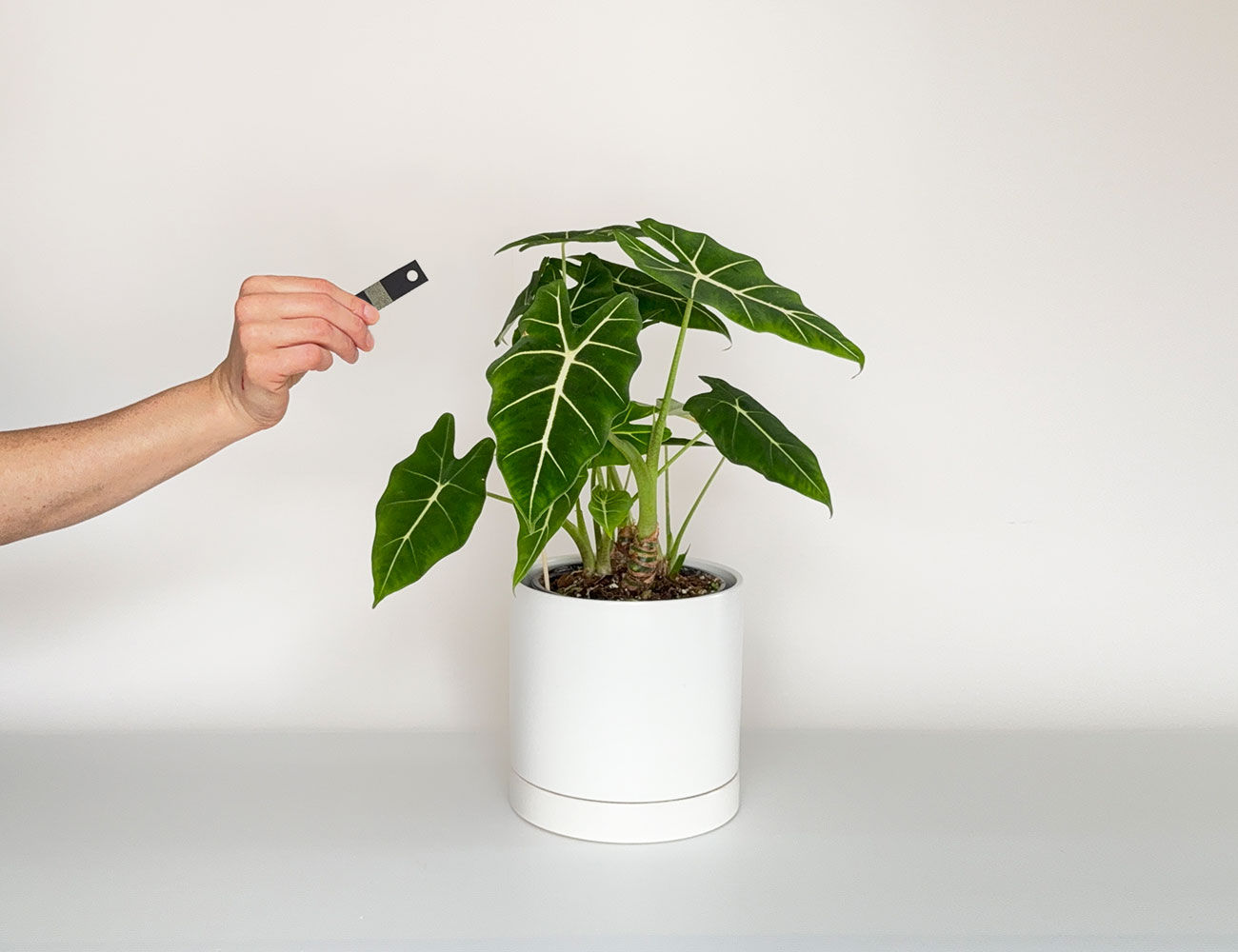
Installing a yellow sticky trap in a tropical plant

Install the sticky traps

Install the yellow sticky traps to control adult whiteflies.
5

First introduction

Installation of green lacewing strips in the foliage of a tropical plant

Introduce the lacewings

Install the lacewing strips in the plant’s foliage.
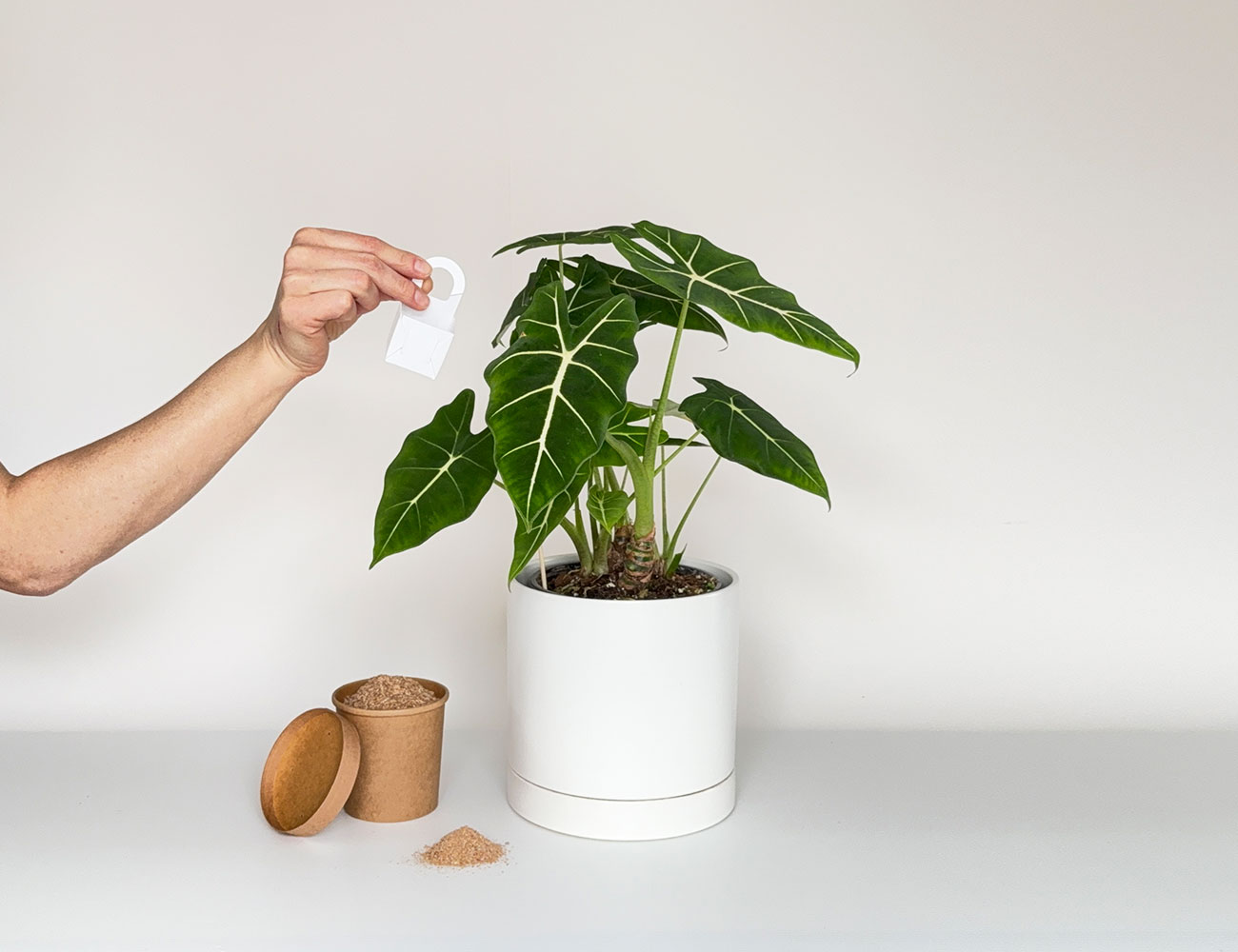
Introduction of bulk predatory mites into a tropical plant

Introduce the bulk swirskii

Distribute the bulk swirskii using small containers.
6

Second introduction

Installation of green lacewing strips in the foliage of a tropical plant

Repeat the introduction

Wait three weeks and repeat the same introduction (lacewings and swirskii).

A few important points

  • Natural predators are particularly effective at detecting hidden eggs, larvae, and pupae once their population has been reduced. The more thorough the initial cleaning, the higher the chances of success.
  • Since winged adults easily escape cleaning, contact insecticides, and predators, treatment must target eggs, larvae, and pupae over a sufficiently long period to cover an entire life cycle.

Once the treatment is complete

Use yellow sticky traps to confirm the success of the treatment. If new whiteflies are detected, repeat the water cleaning or foliar black soap treatment once a week. Otherwise, you can consider your treatment successful. We recommend using the preventive treatment to avoid a new infestation.

Do I absolutely need to treat all my plants?
Whiteflies spread quickly, and the absence of symptoms does not mean the plants are healthy. It is therefore strongly recommended to treat all plants simultaneously. However, you can isolate plants that appear healthy and apply only the preventive treatment to them.
What should I do if I cannot wash a plant with a water jet?
If washing the plant with a water jet is not possible, it will be very difficult, if not impossible, to treat whiteflies. Consider discarding the plant, taking cuttings, or pruning its foliage completely.
Do I need to repeat cleaning before each introduction?
Cleaning is always necessary before the first introduction. If the initial infestation was severe or many insects are still visible at the time of subsequent introductions, it is preferable to carry out another pre-introduction cleaning. Conversely, it is no longer necessary once the infestation appears to be under control.
Is it necessary to replace the substrate to treat whiteflies?
The eggs, pupae, and adult whiteflies remain on the foliage. Not only is replacing the substrate unnecessary, but it also causes additional stress that could further weaken the plant.
Need advice ? Do not hesitate to contact us for assistance regarding biological control.