How to get rid of false mites
| Difficulty Very high |
| Frequency Low |
| Reproductive rate Up to 60x |
| Lifecycle Up to 60 days |
False mites, also known as flat mites, are tiny arachnids that cause significant damage to infested plants by piercing leaf cells to extract their contents.
Identifying false mites
False mites are difficult to see with the naked eye and should not be confused with true spider mites. However, the damage they cause is distinctive. Here are the main signs of a false mite infestation:
Early infestation
- No specific symptoms
Advanced infestation
- Necrosis and rust-colored spots
- Deformation of young shoots
- Discoloration of leaves
- Slowed or stunted growth
Treatment options
How to treat false mites?
Treating false mites can be a considerable challenge. The most effective and safe strategy is to eliminate the majority of individuals through repeated cleaning and non-chemical contact insecticides. Amblyseius swirskii can help prevent reinfestation.
Preparation
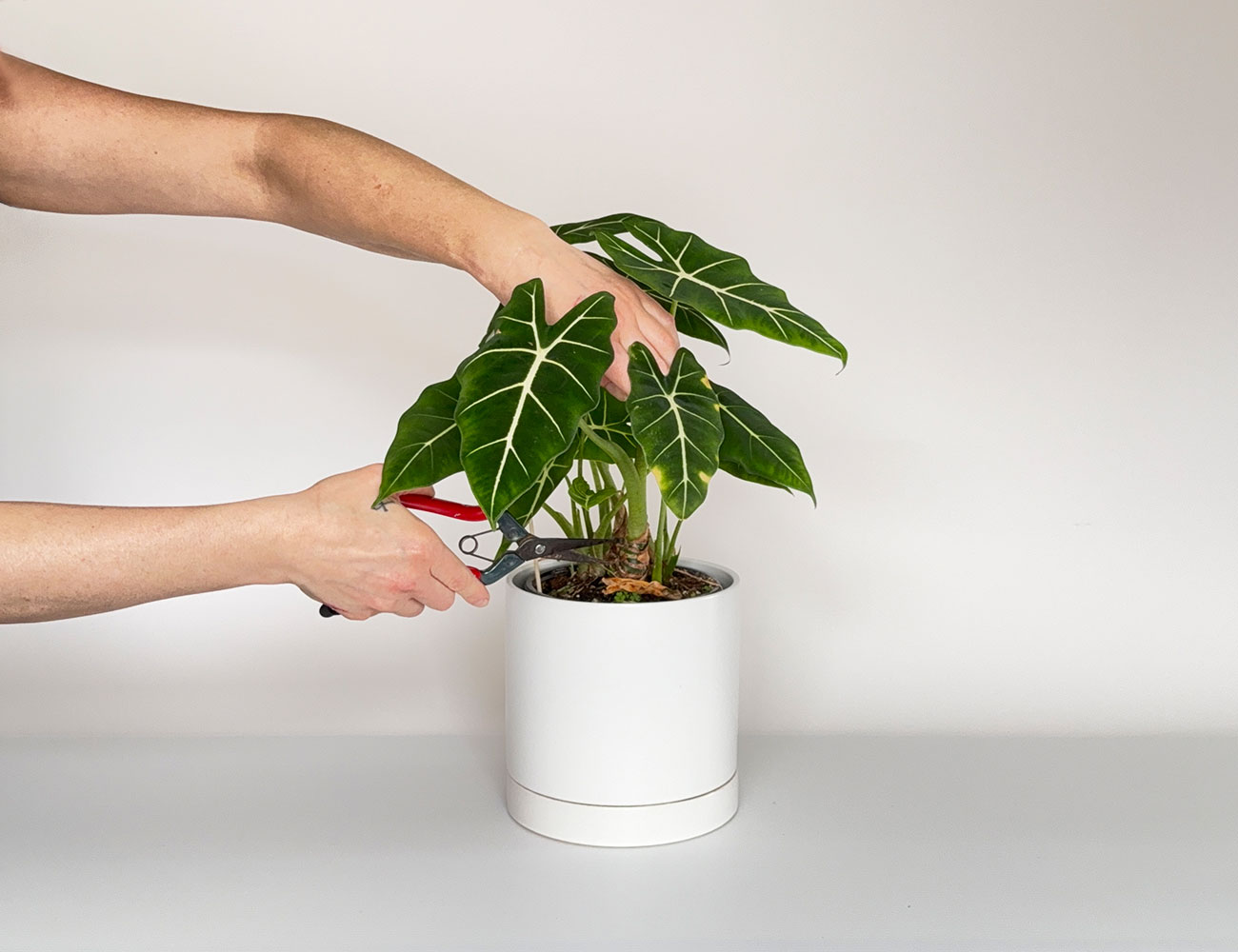
Cut off damaged leaves
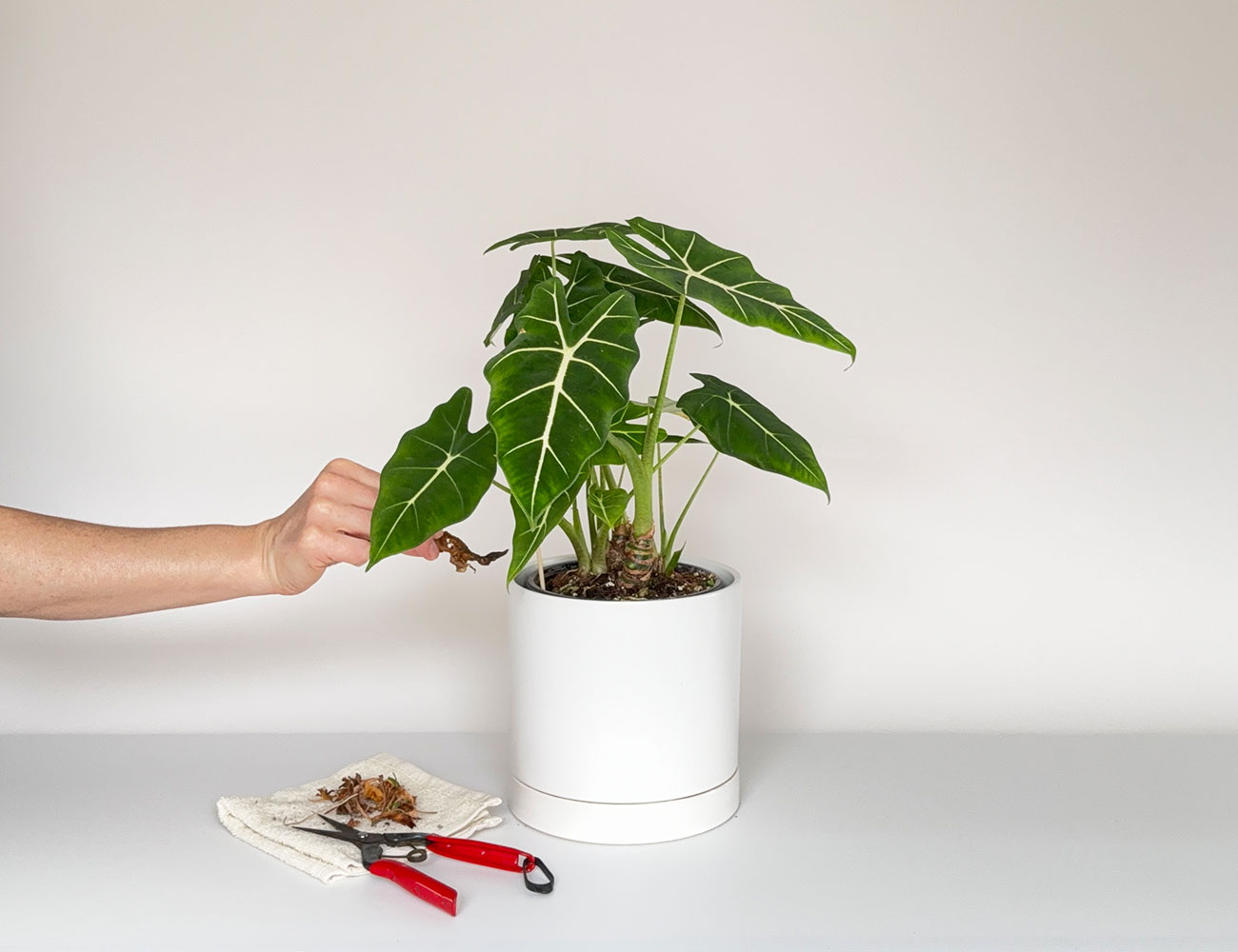
Remove debris
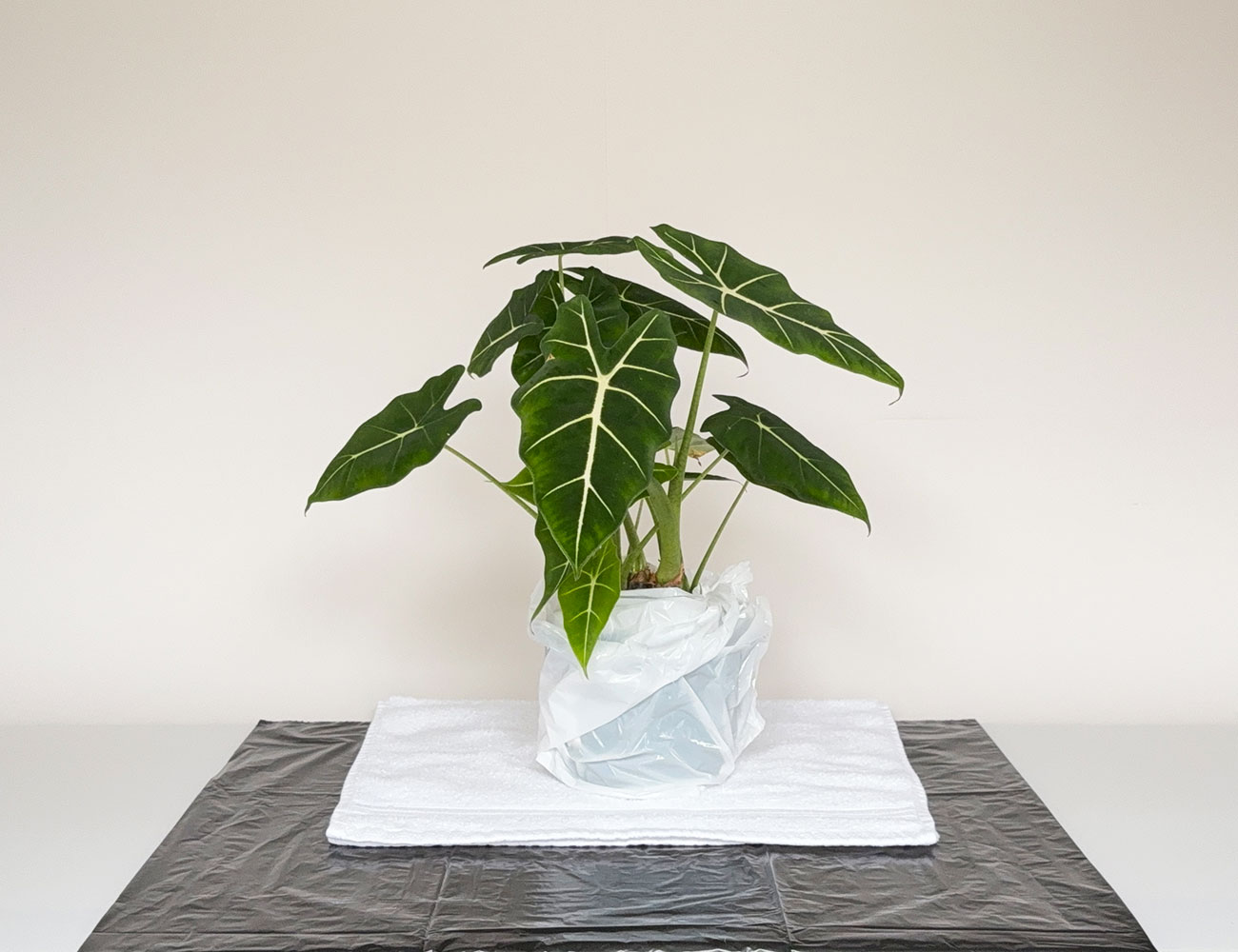
Wrap the pot
Water cleaning
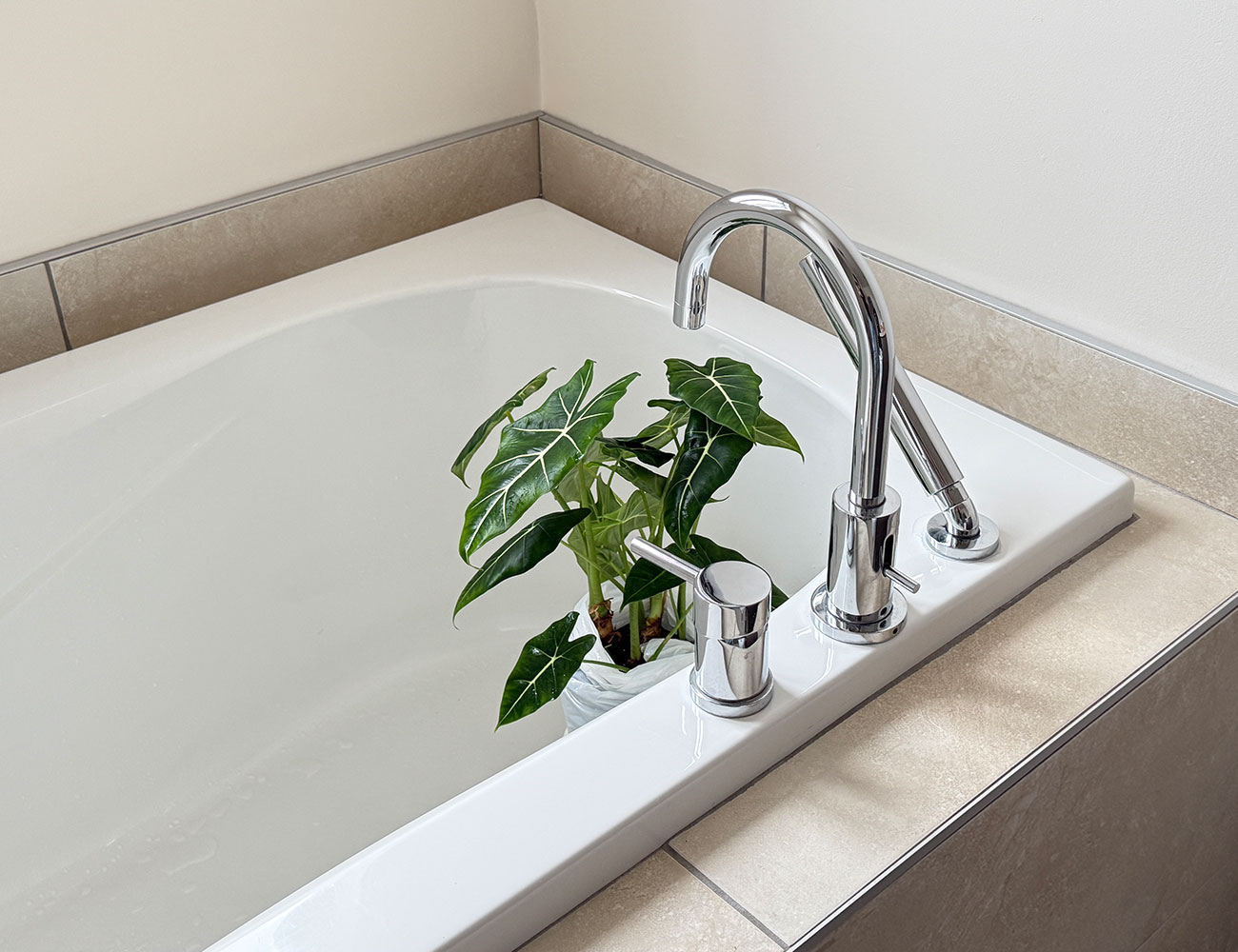
Prepare a workspace
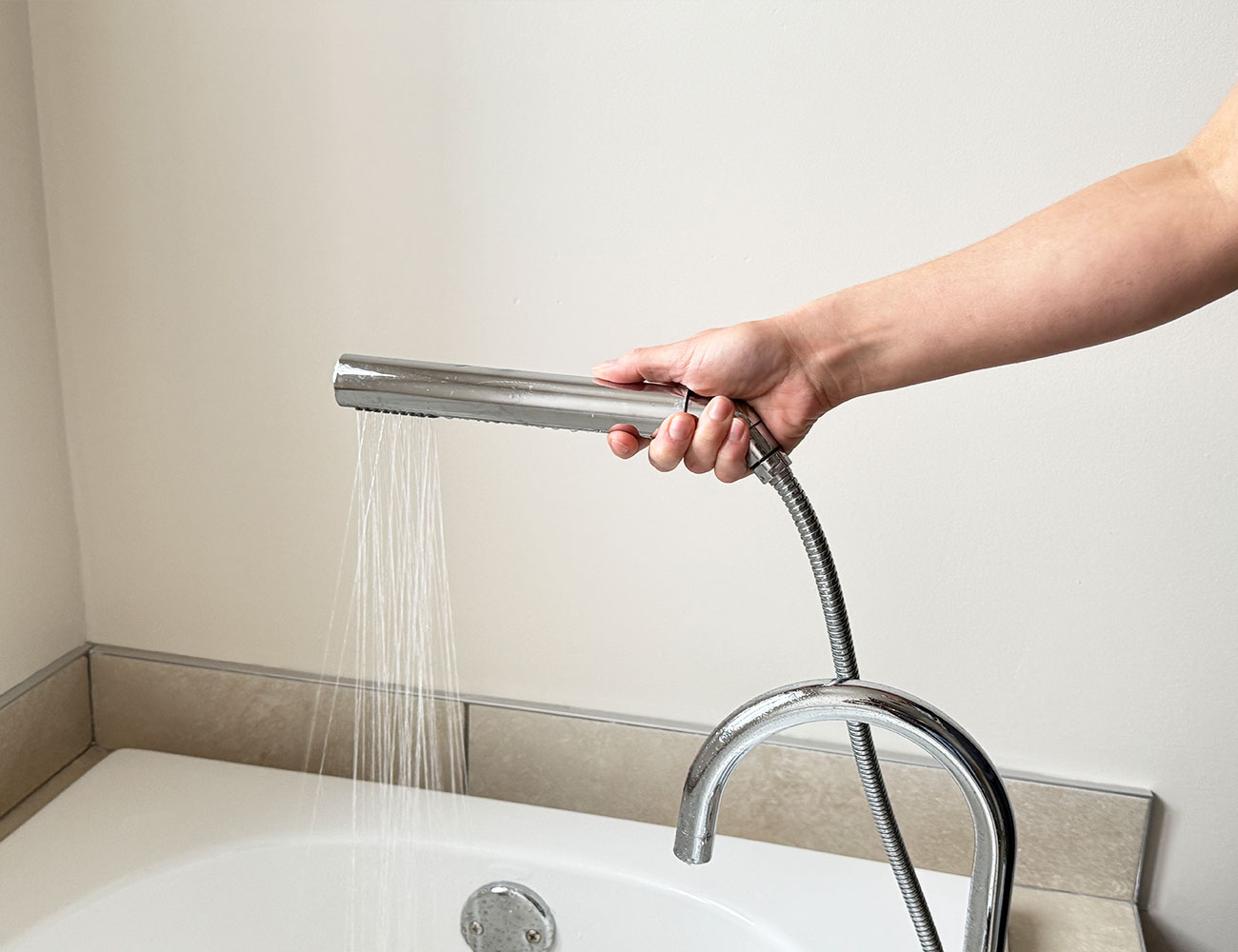
Adjust the water
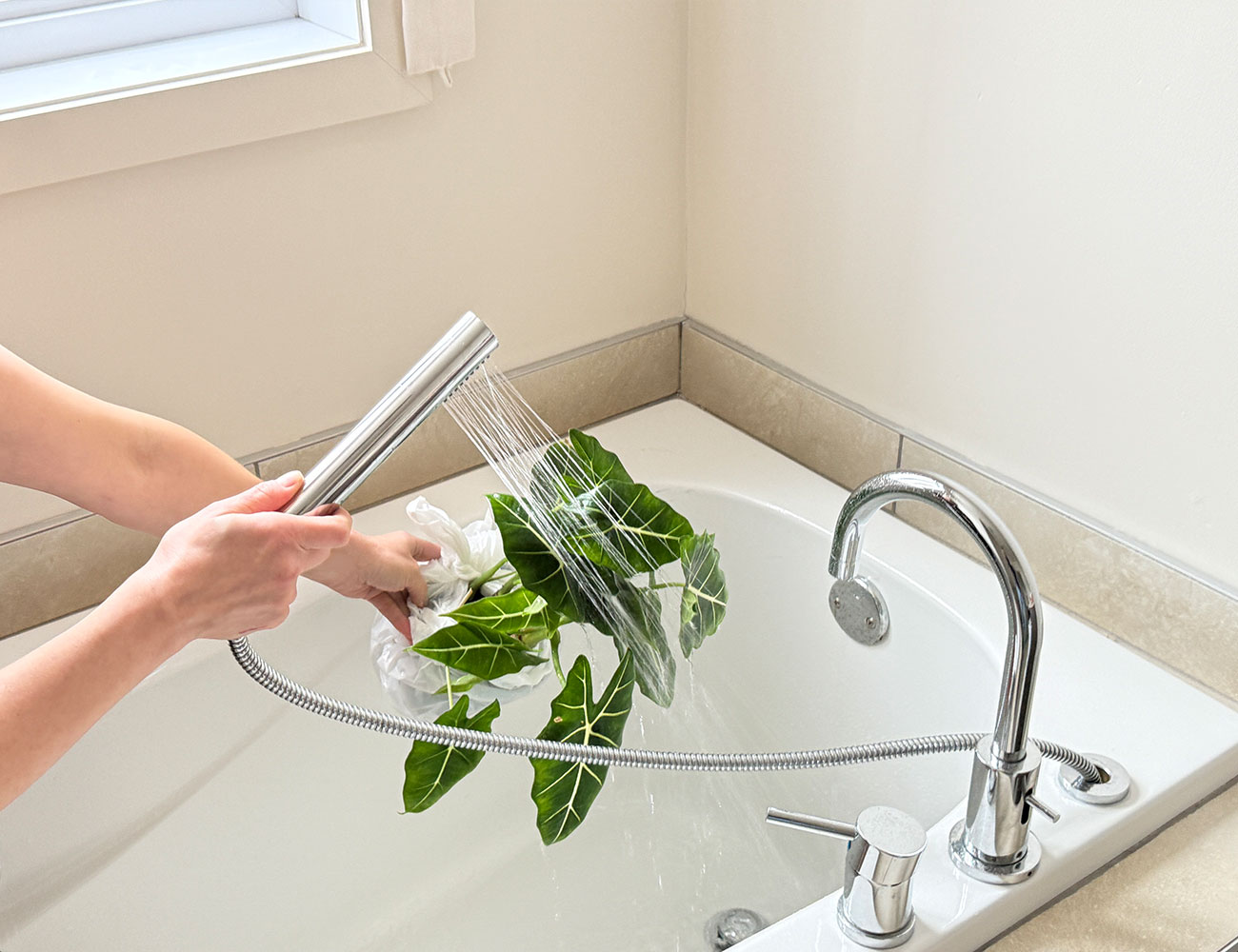
Wash the leaves and stems
Mild soap treatment
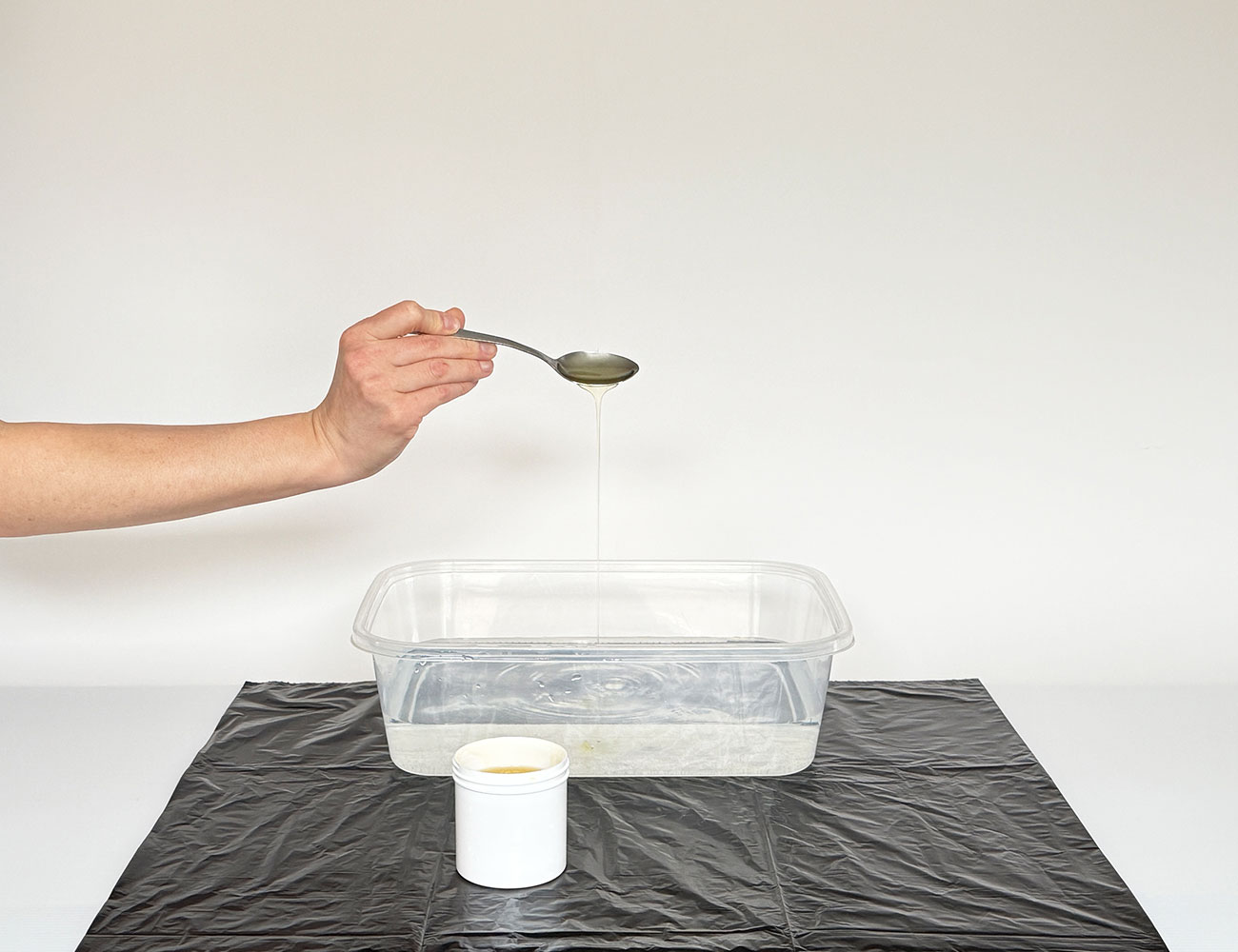
Prepare the basin
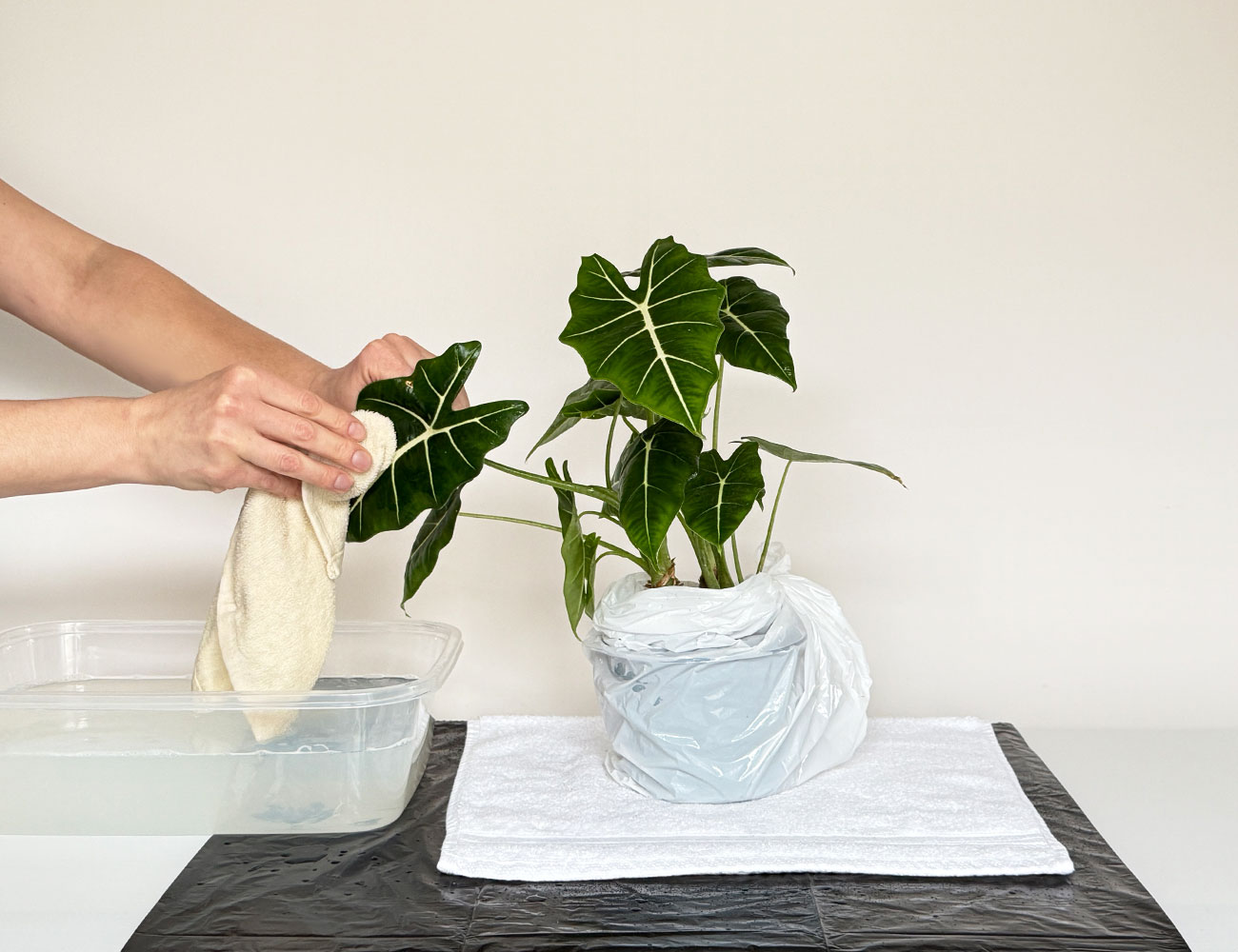
Clean the foliage and stems
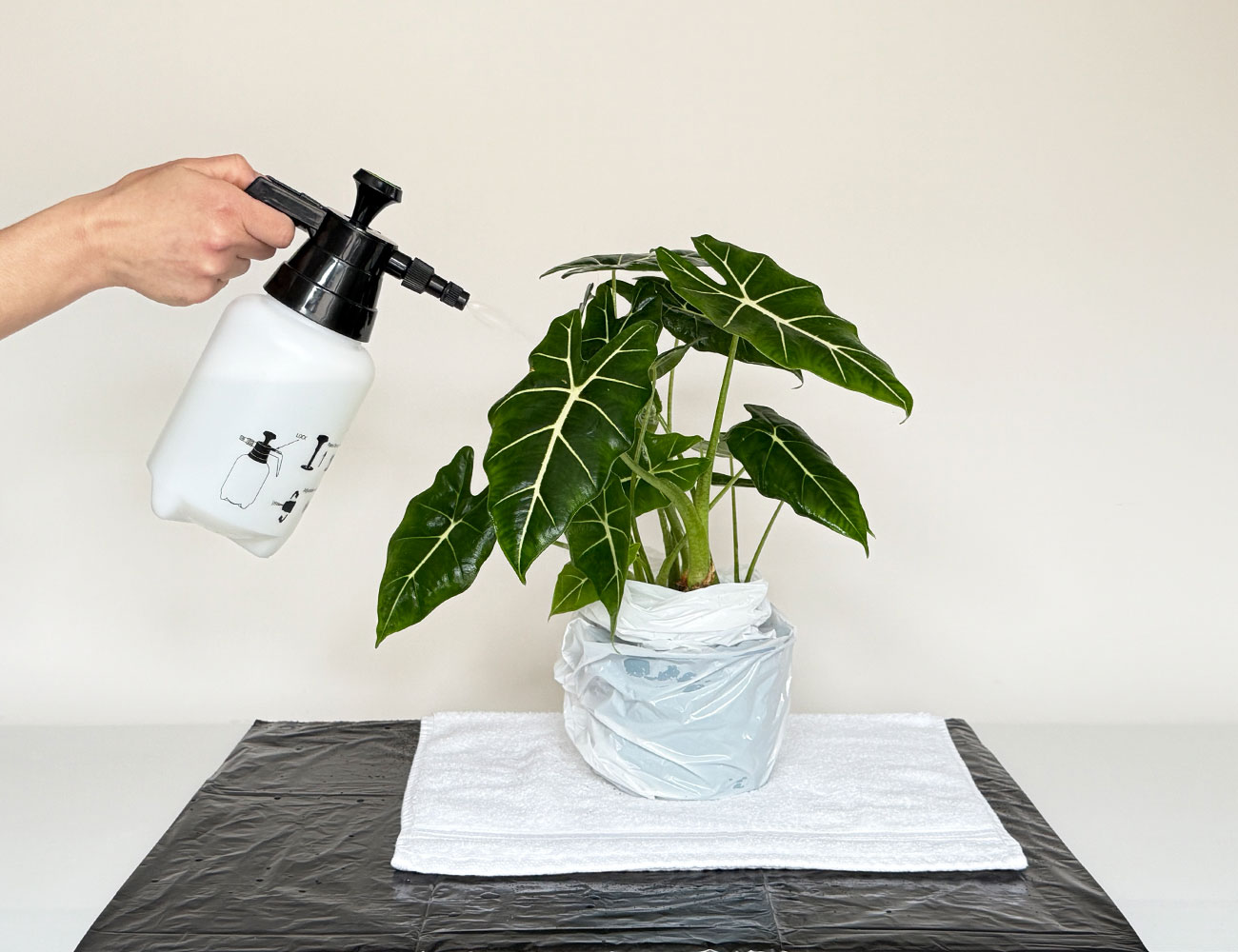
Rinse the plant
Repeated cleaning
Repeat the cleaning
Drying
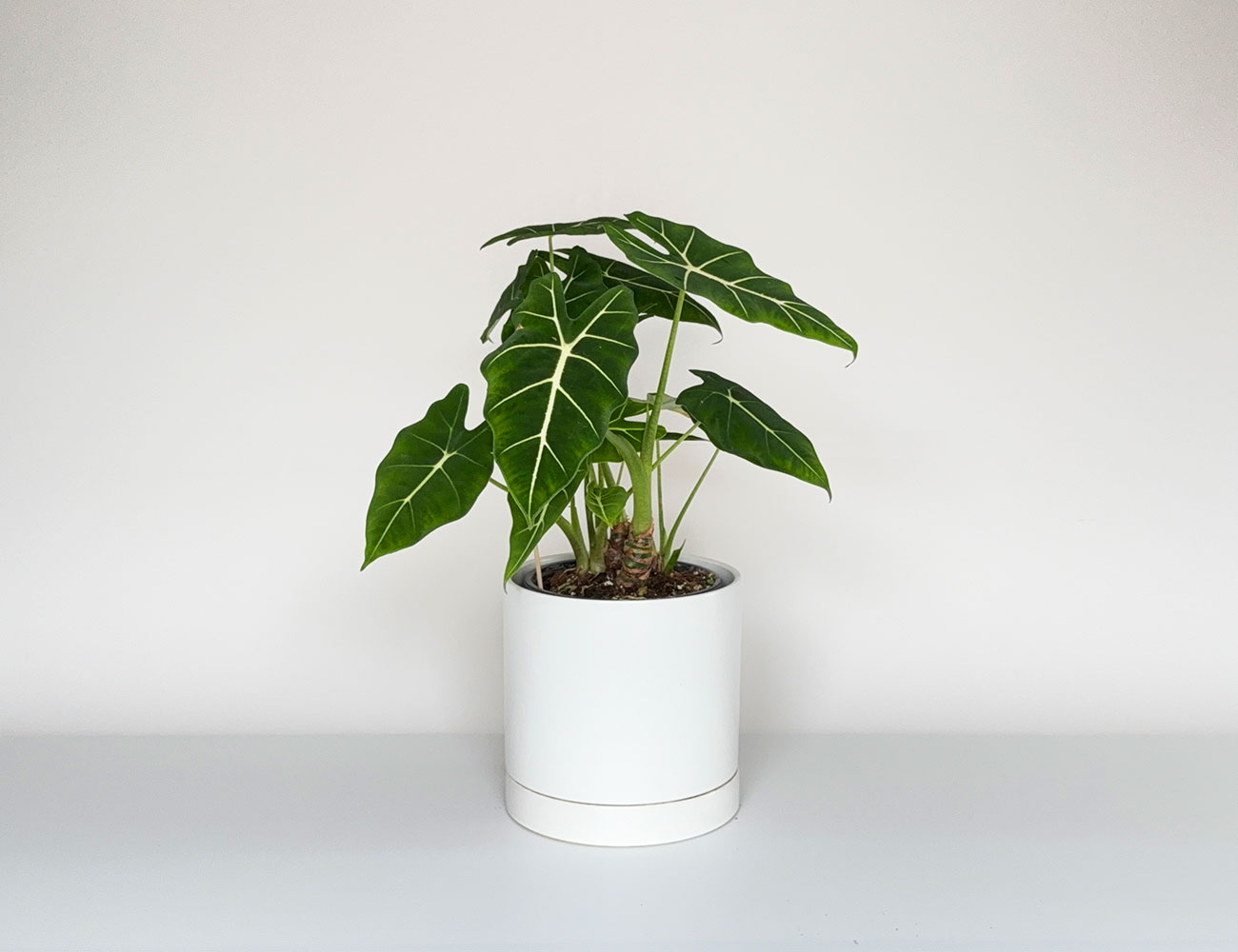
Let the plant dry
First introduction
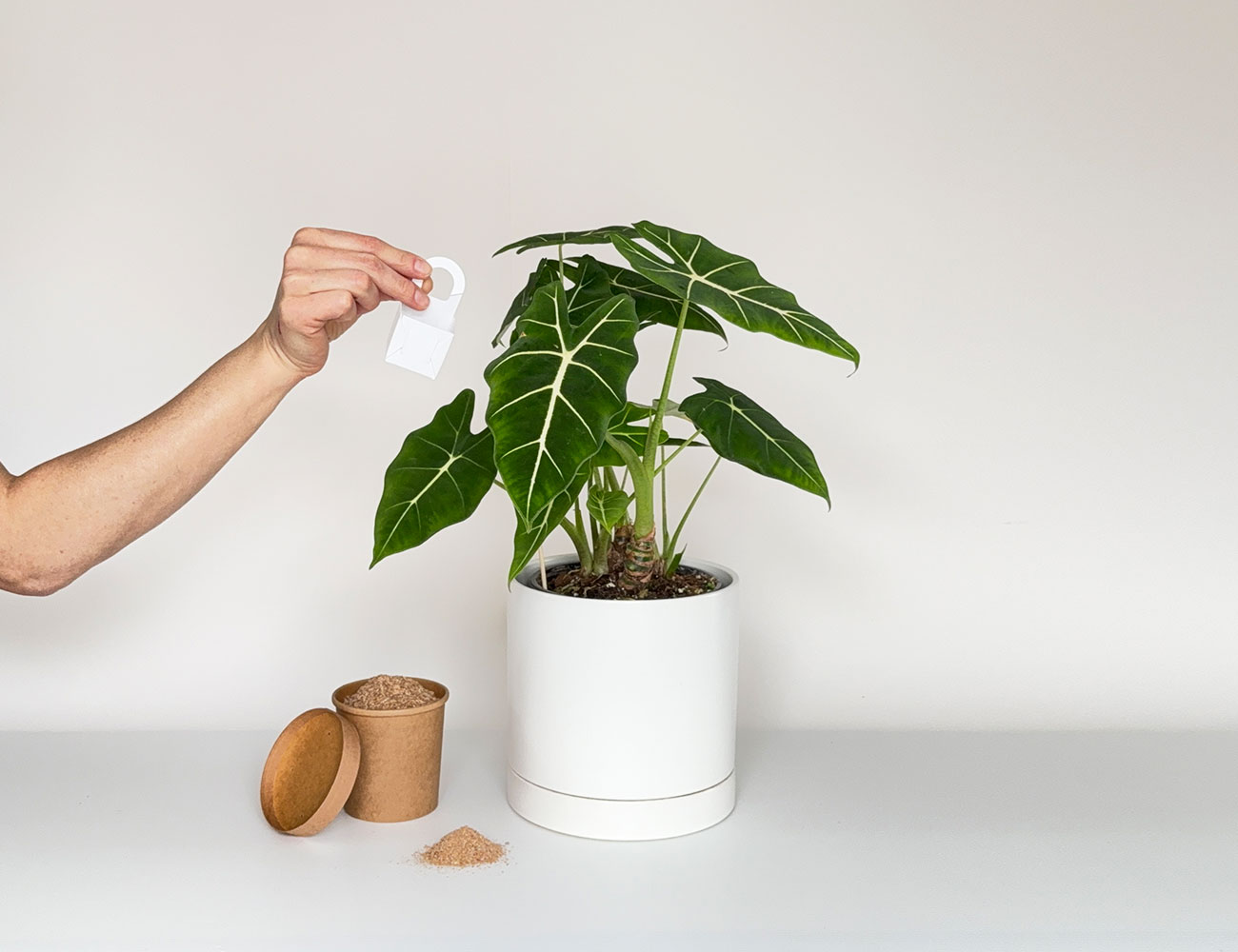
Introduce the swirskii
Second introduction
Repeat the introduction
A few important points
- False mites easily hide in the plant’s crevices, where they remain protected from cleaning and contact insecticides. Cleanings must be thorough and repeated several times.
- Natural predators are particularly effective at detecting any remaining false mites once their population has been reduced. The more thorough the cleanings, the higher the chances of success.
Once the treatment is complete
Inspect the plants regularly for at least eight weeks. If new signs of false mites appear, repeat the cleaning of the plants. Otherwise, you can consider your treatment successful. We recommend using the preventive treatment to avoid a new infestation.