How to get rid of fungus gnats
| Difficulty Low |
| Frequency High |
| Reproductive rate Up tp 300x |
| Lifecycle Up to 20 days |
Fungus gnats are small dark brown flies whose larvae feed on decomposing organic matter in moist soil. Although they do not directly attack plants, heavy infestations can lead to diseases and root damage.
Identifying fungus gnats
Fungus gnats are easily identifiable as they fly near the soil. If in doubt, disturbing them by gently shaking the plant will make them easier to spot.
Early infestation
- A few flies present around the soil
Advanced infestation
- Many flies present around the soil
Treatment options
How to treat fungus gnats?
The most effective and safe strategy is to temporarily space out watering to reduce soil moisture and introduce nematodes that attack larvae in the potting soil before they mature. Yellow sticky traps help reduce the adult population.
Preparation
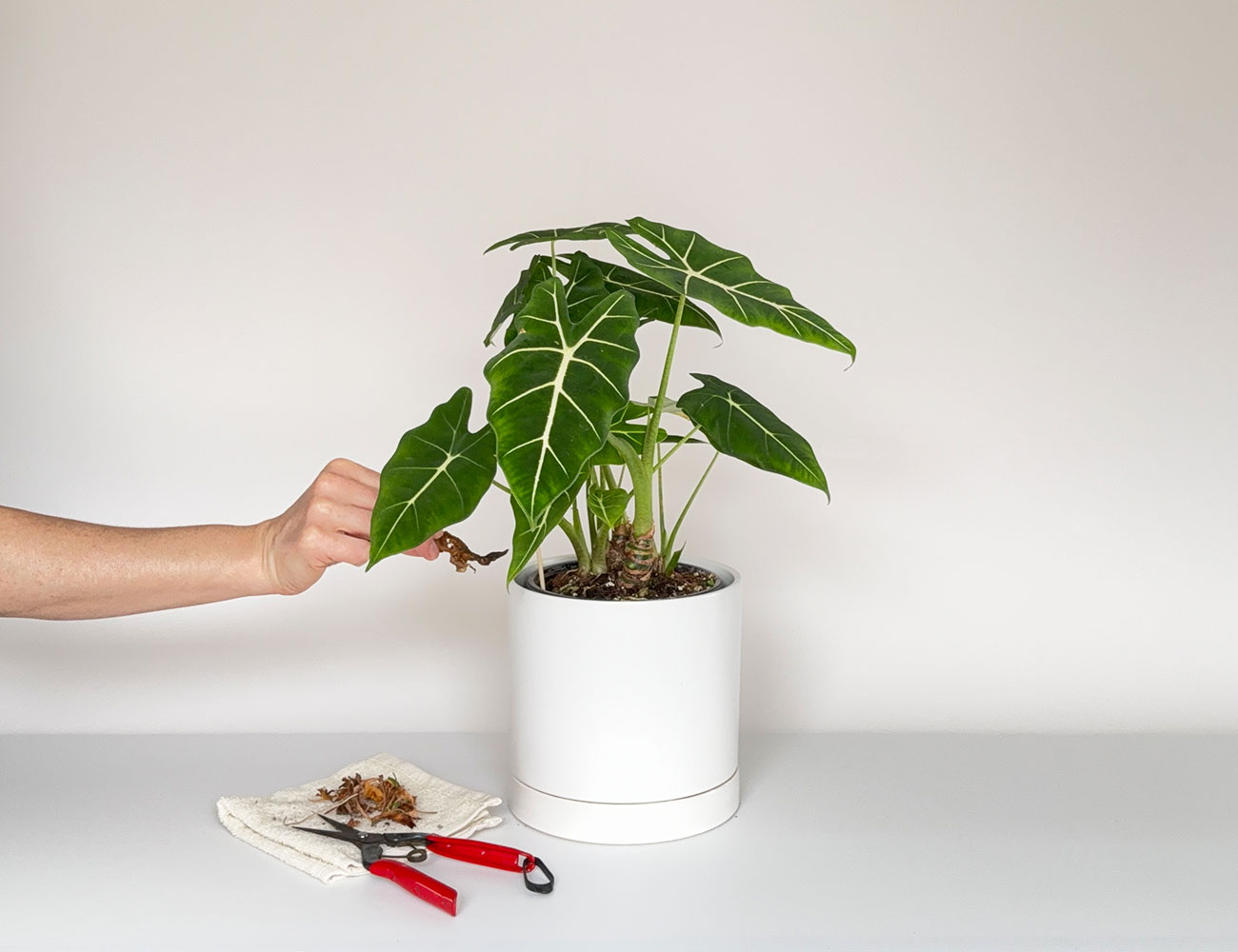
Remove debris
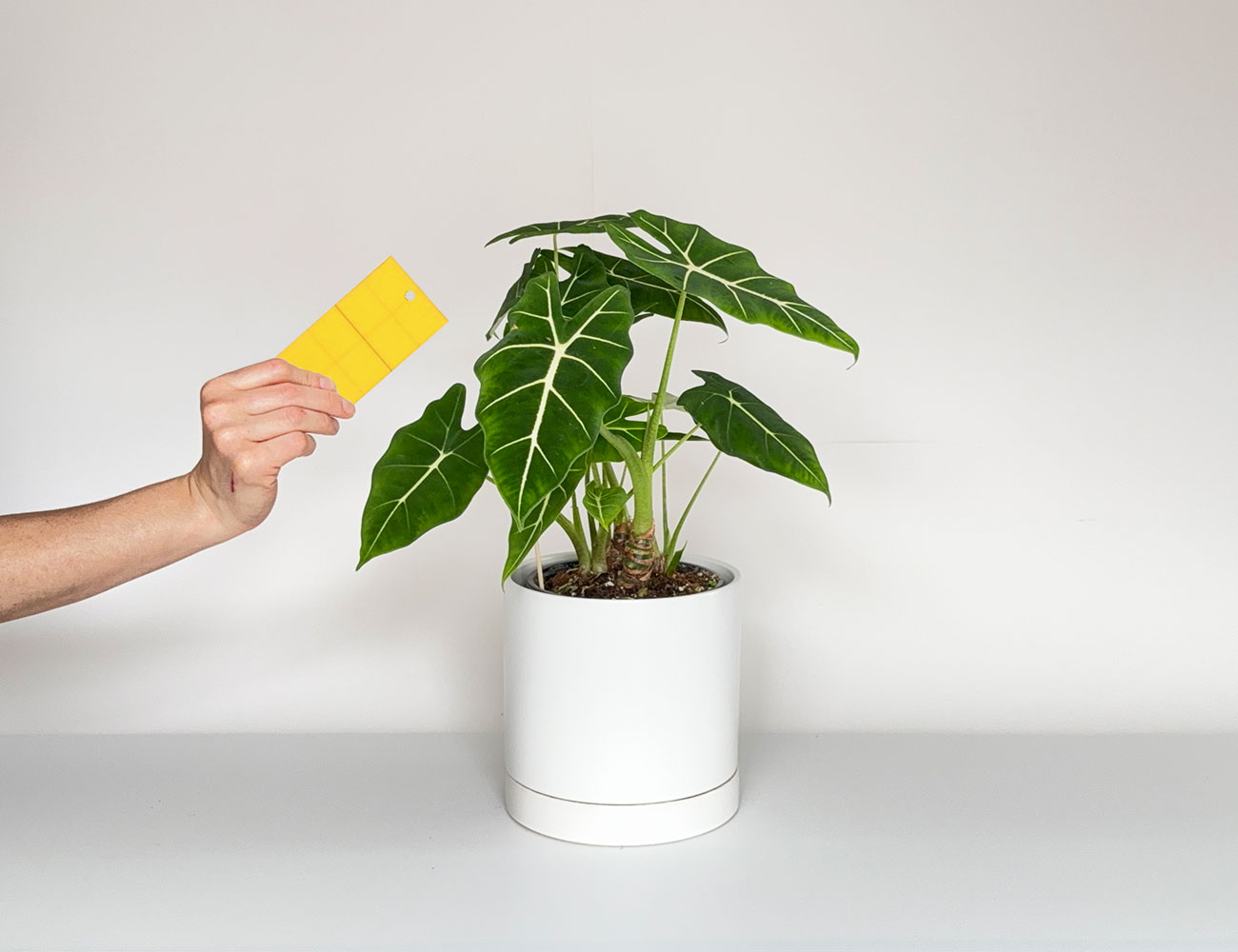
Install the sticky traps
Nematodes
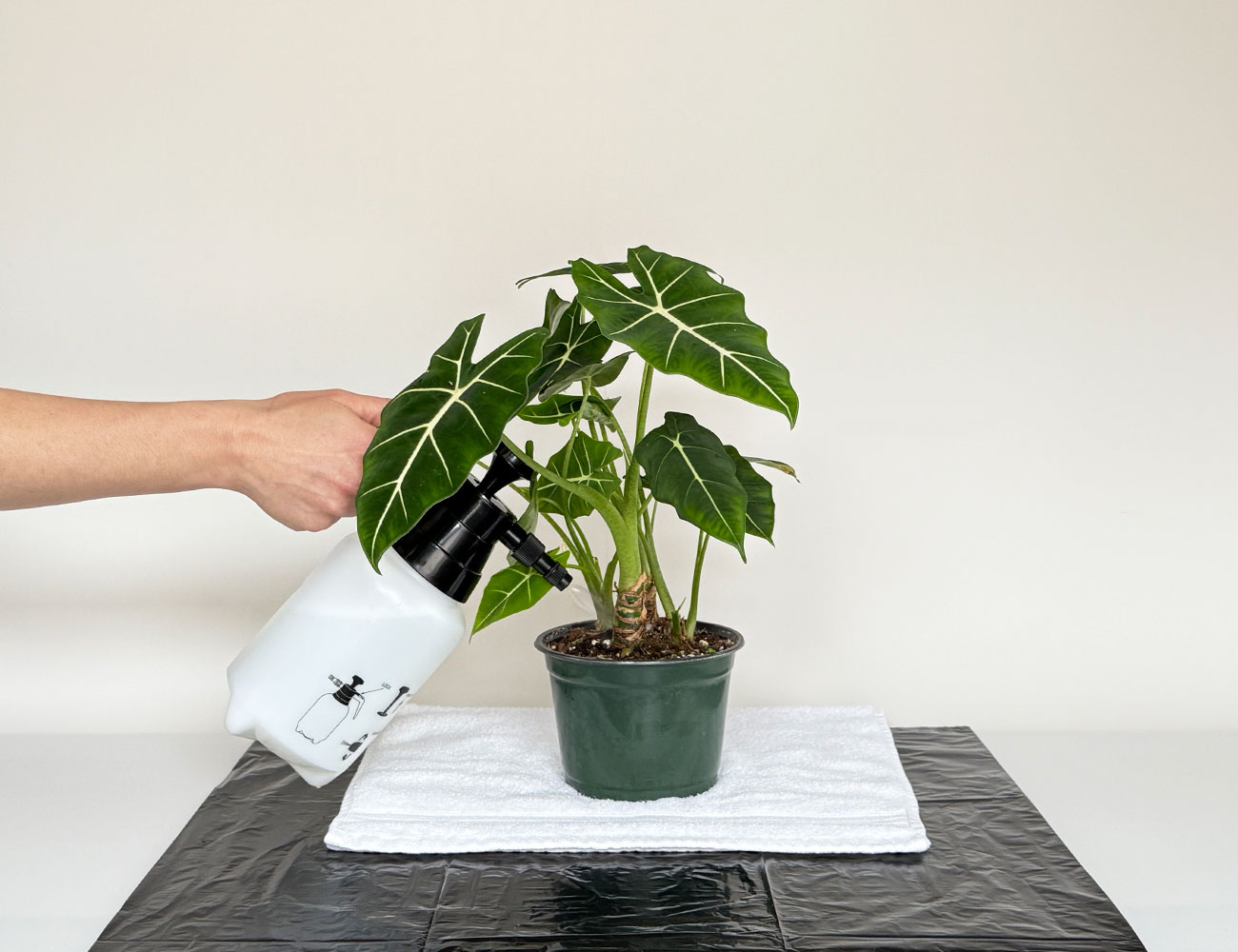
Introduce the nematodes
A few important points
- Since winged adults easily escape cleaning, contact insecticides, and predators, treatment must target the larvae over a period of at least one month to cover a full life cycle.
Once the treatment is complete
Use yellow sticky traps to confirm the success of the treatment. If new fungus gnats are detected, extend the treatment. Otherwise, you can consider your treatment successful. We recommend using the preventive treatment to avoid a new infestation.