How to get rid of tropical thrips
| Difficulty High |
| Frequency High |
| Reproductive rate |
| Lifecycle |
Tropical thrips are plant pests with a dark, slender body that pierce plant leaves to feed on their sap. They cause significant damage, and their rapid reproduction can lead to a gradual weakening of the plant.
Identifying tropical thrips
Before starting treatment, make sure you have correctly identified the pest. Tropical thrips should not be confused with indigenous thrips. Here are the main signs of a tropical thrips infestation:
Early infestation
- Presence of white or yellow larvae
Advanced infestation
- Silvery streaks on the leaves
- Small black dots near damaged areas
- Presence of brown or black adults
- Yellowing and necrosis of the foliage
Treatment options
How to treat tropical thrips?
The most effective and safe strategy is to dislodge the majority of tropical thrips using a strong water jet and introduce natural predators to detect and eliminate any remaining individuals. Amblyseius swirskii and green lacewings will simultaneously target larvae, pupae, and adults.
Preparation
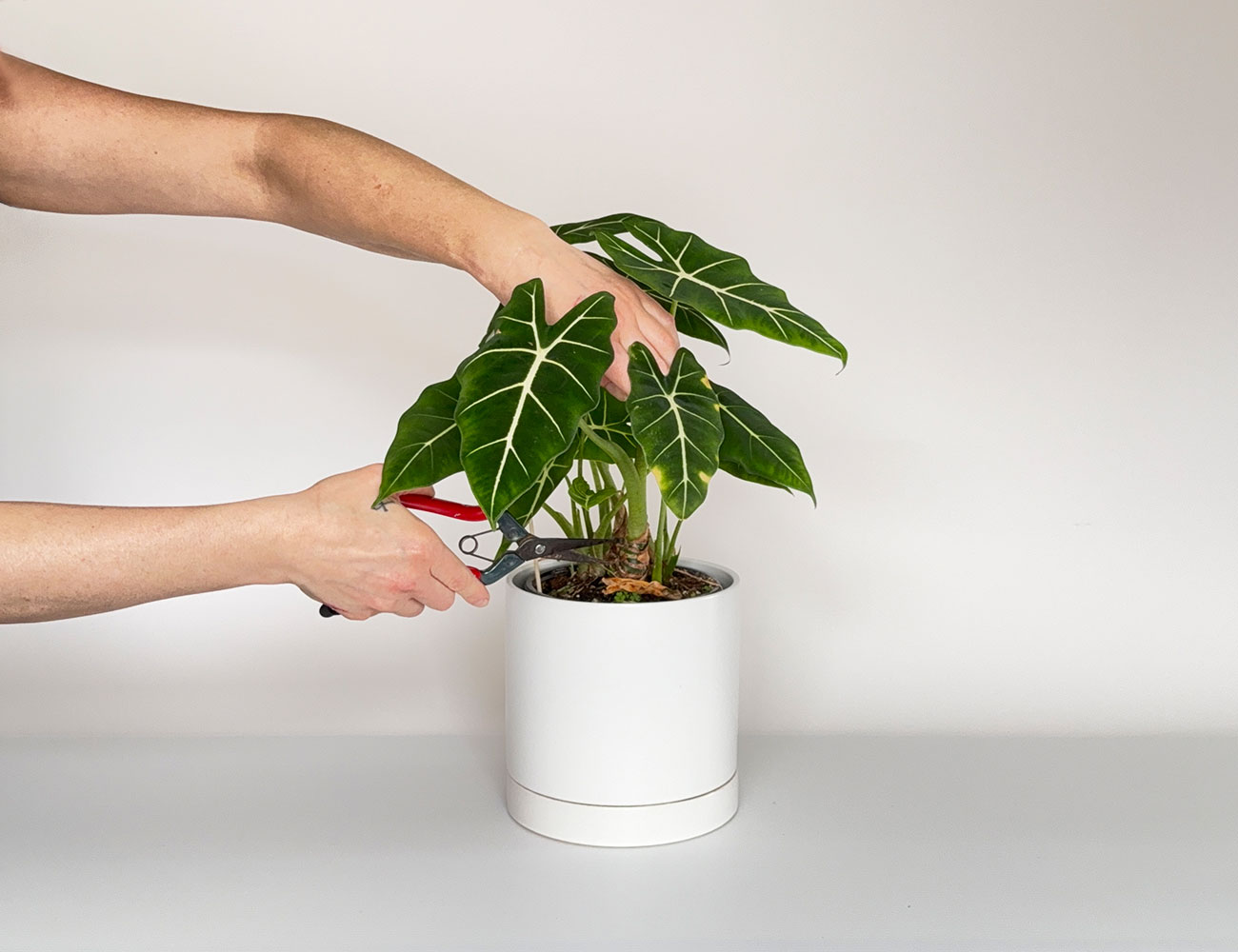
Cut off damaged leaves
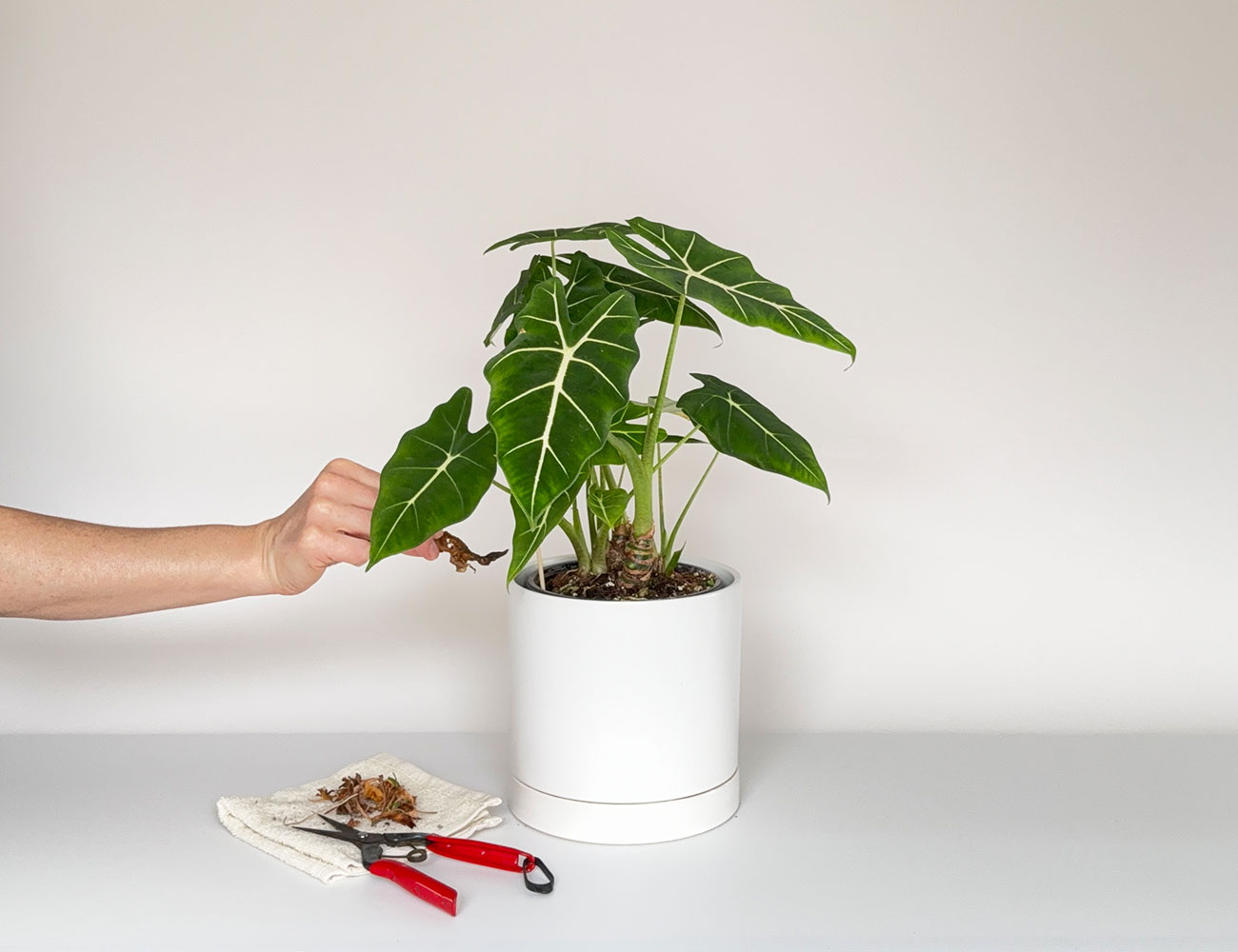
Remove debris
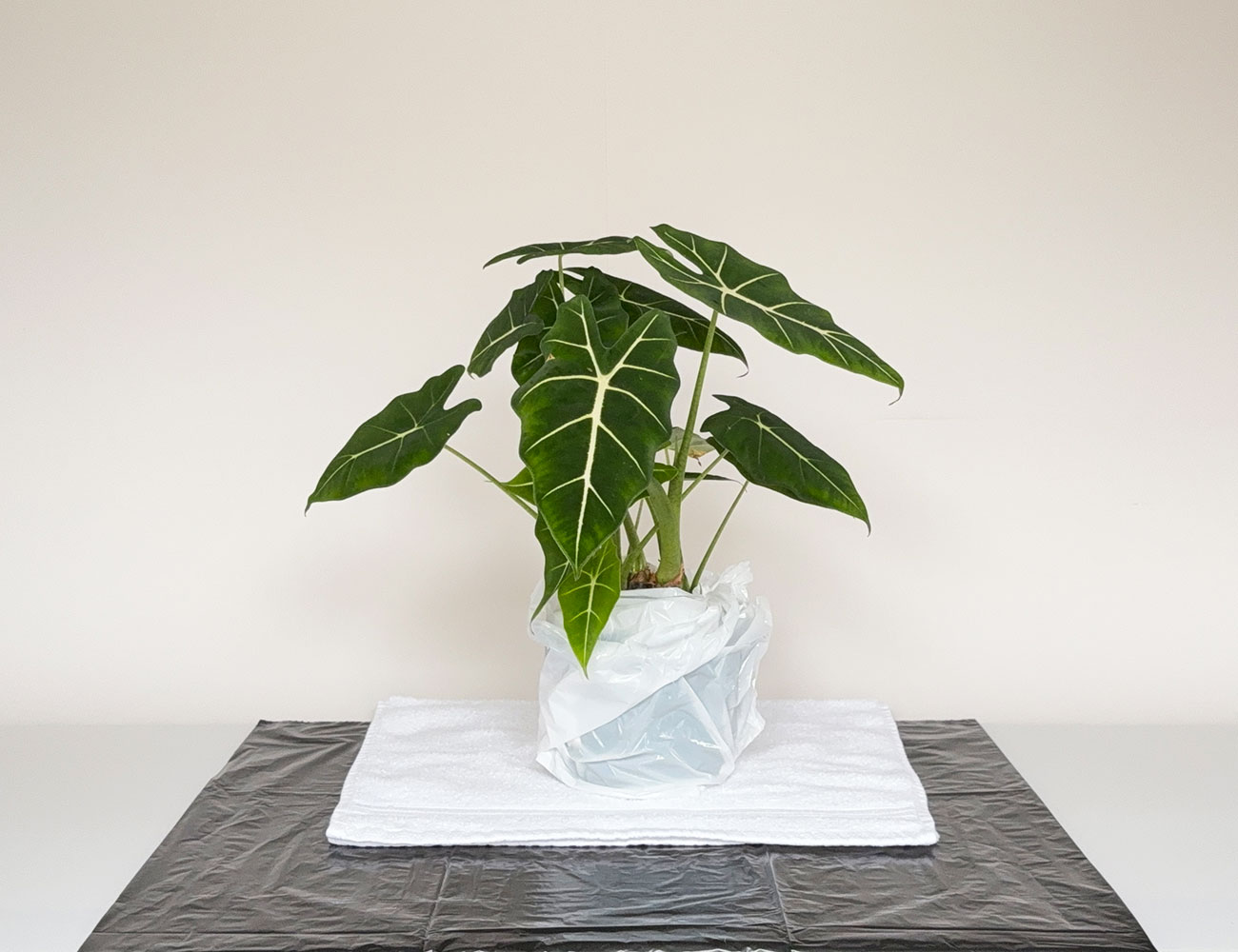
Wrap the pot
Cleaning
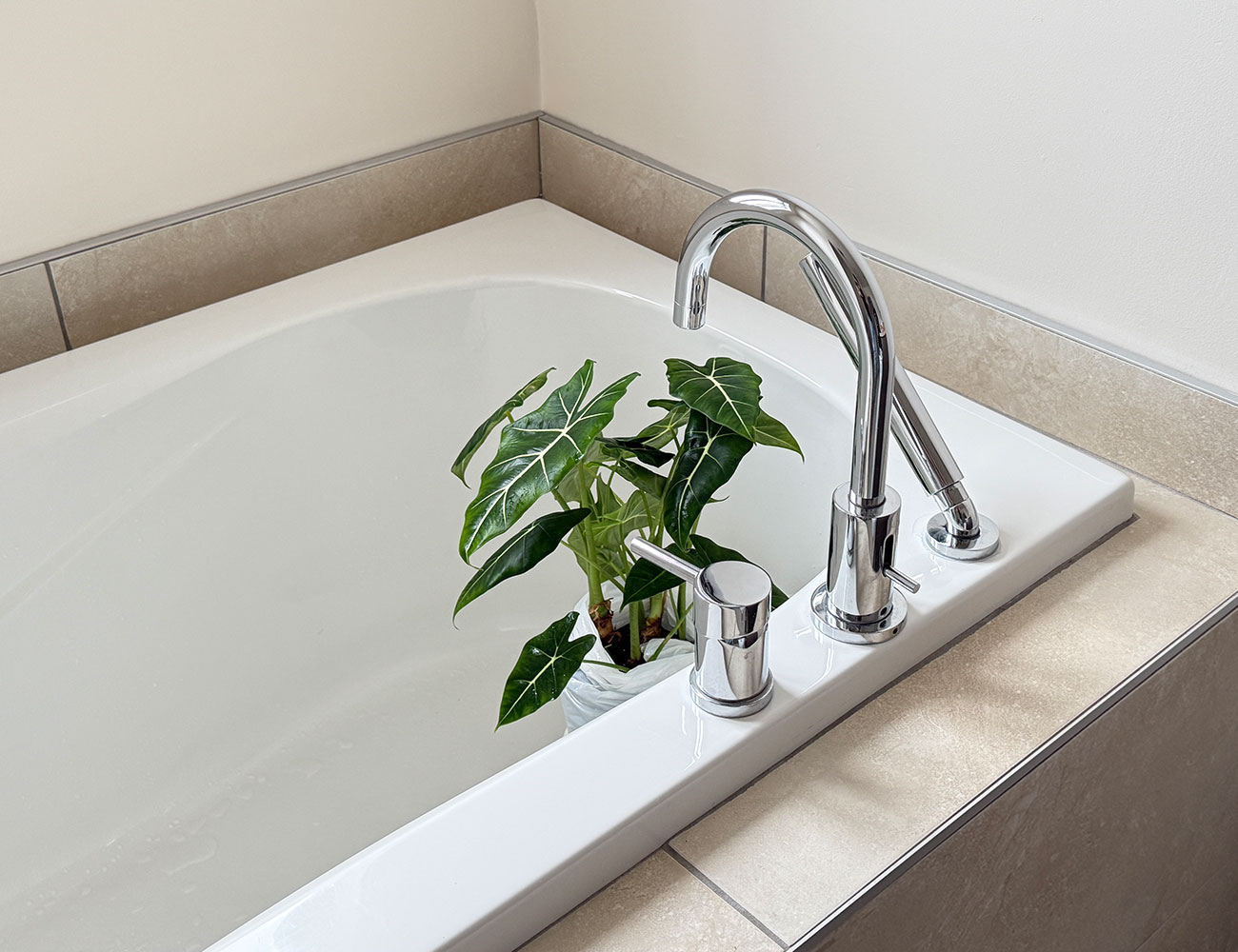
Prepare a workspace
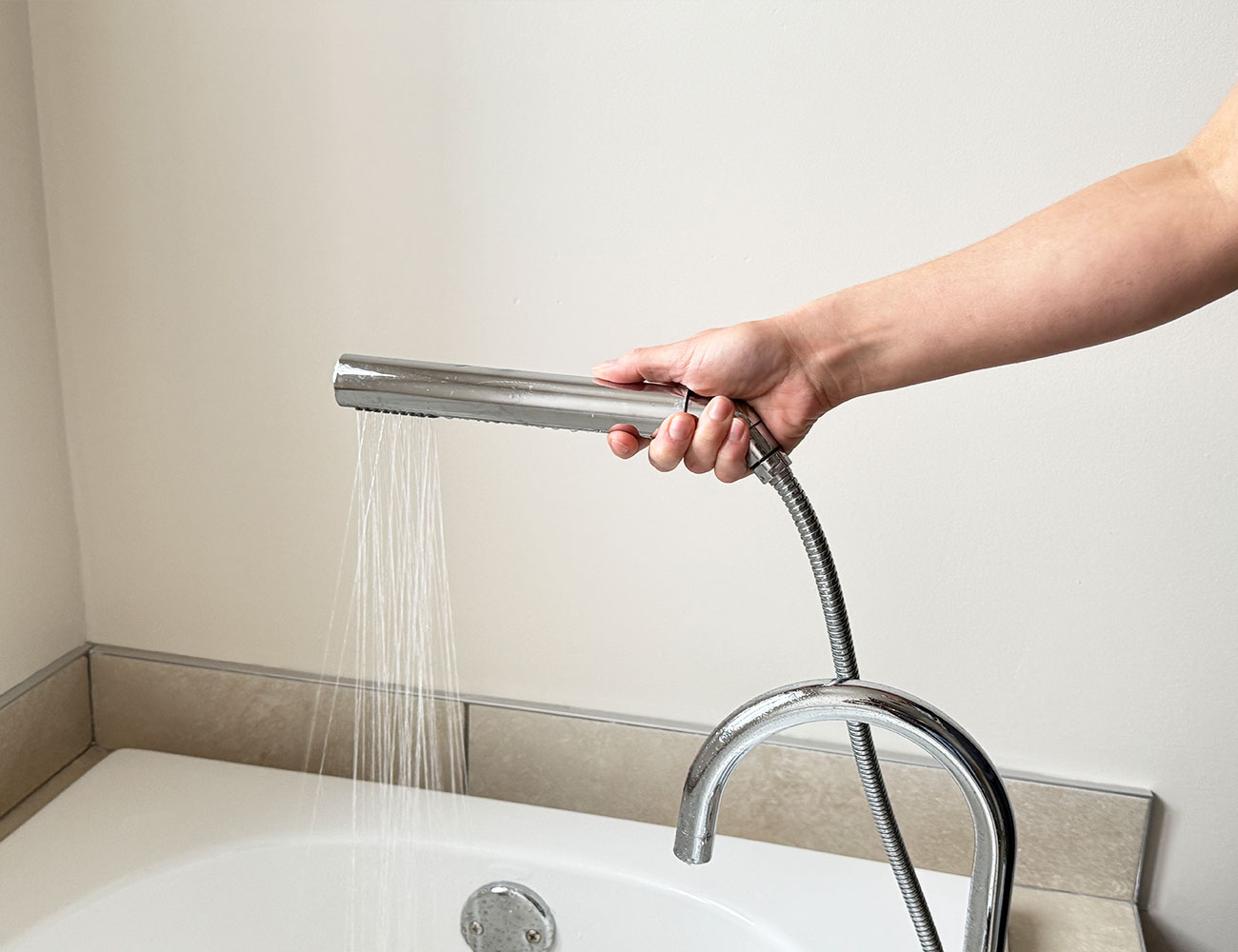
Adjust the water
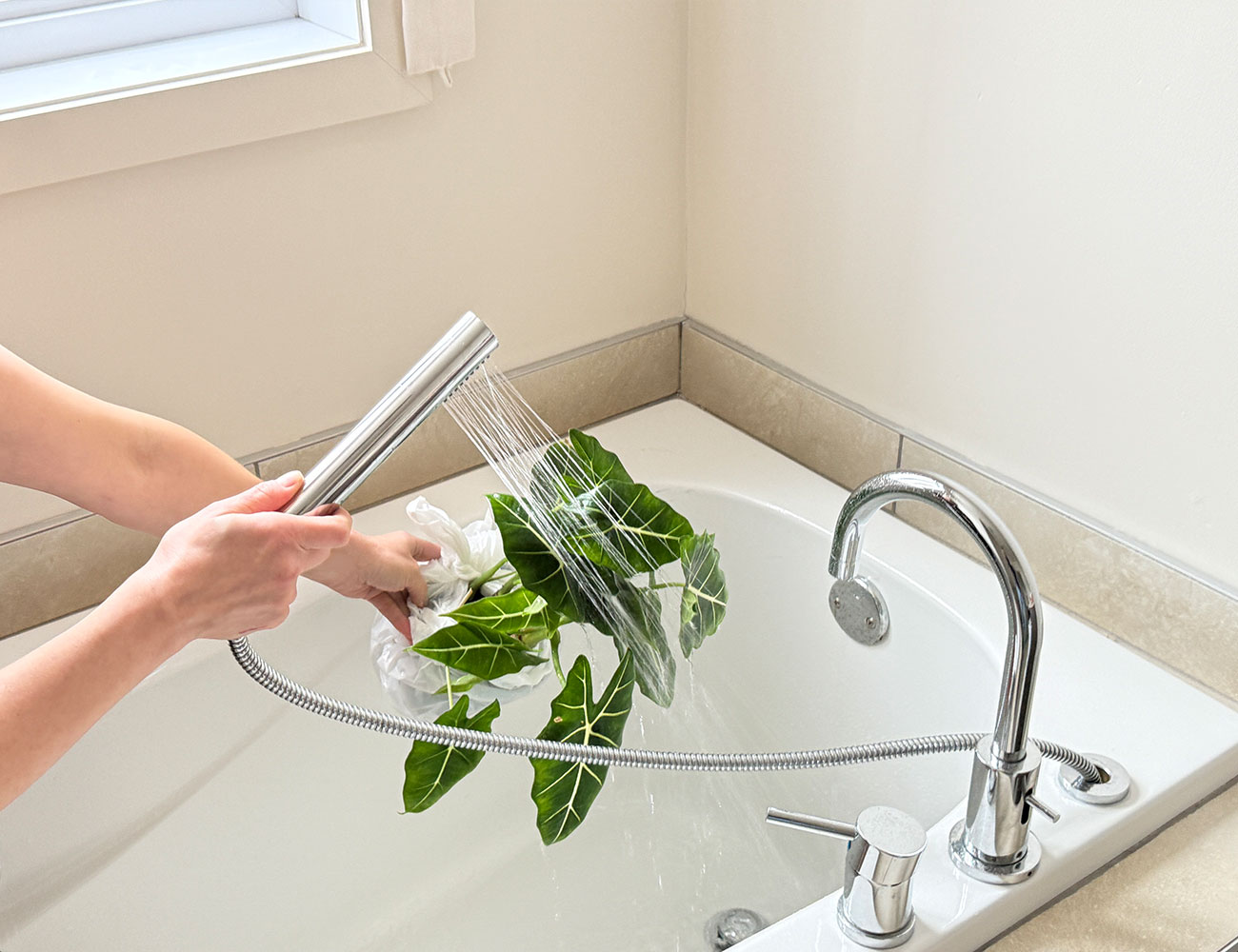
Wash the leaves and stems
Drying
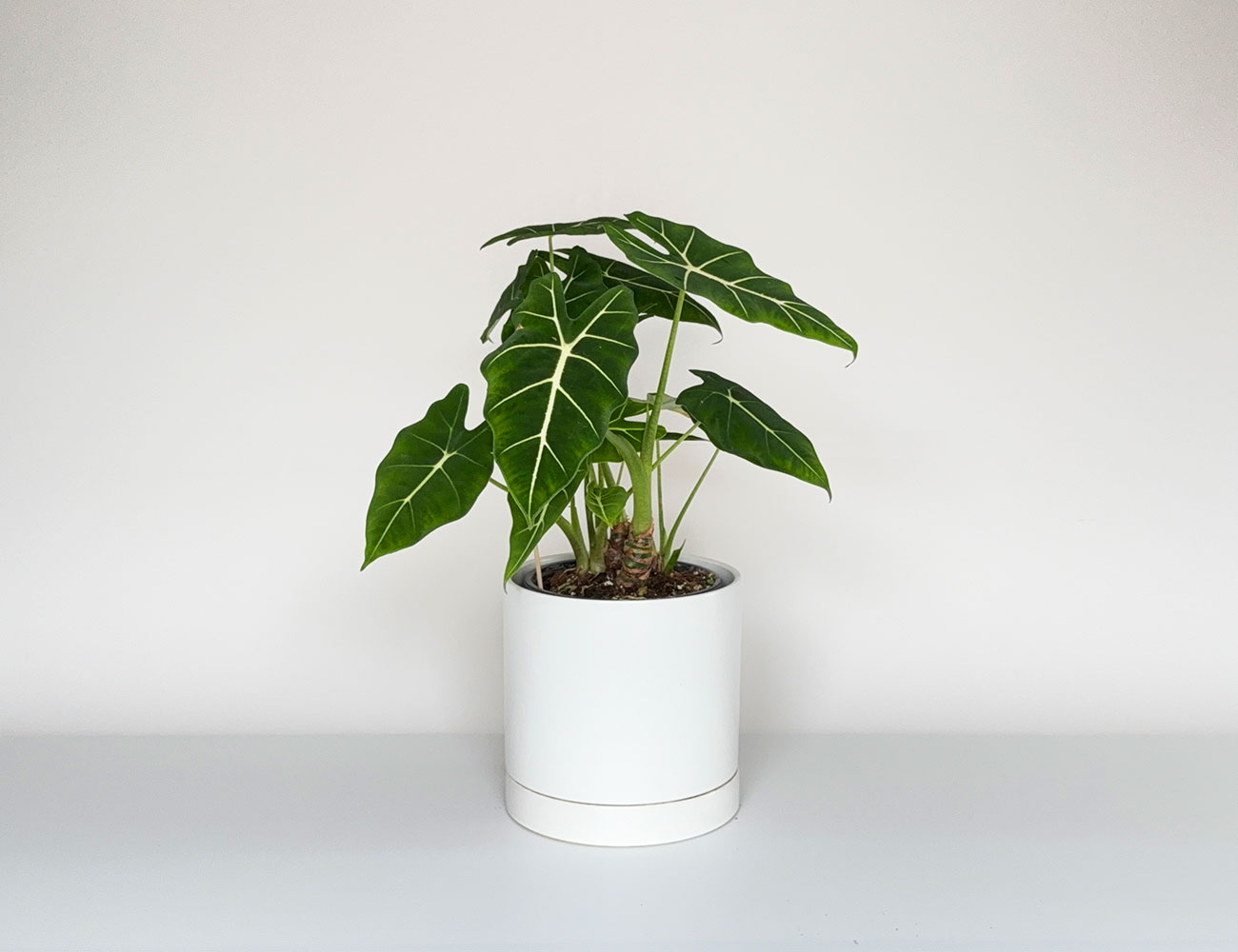
Let the plant dry
First introduction
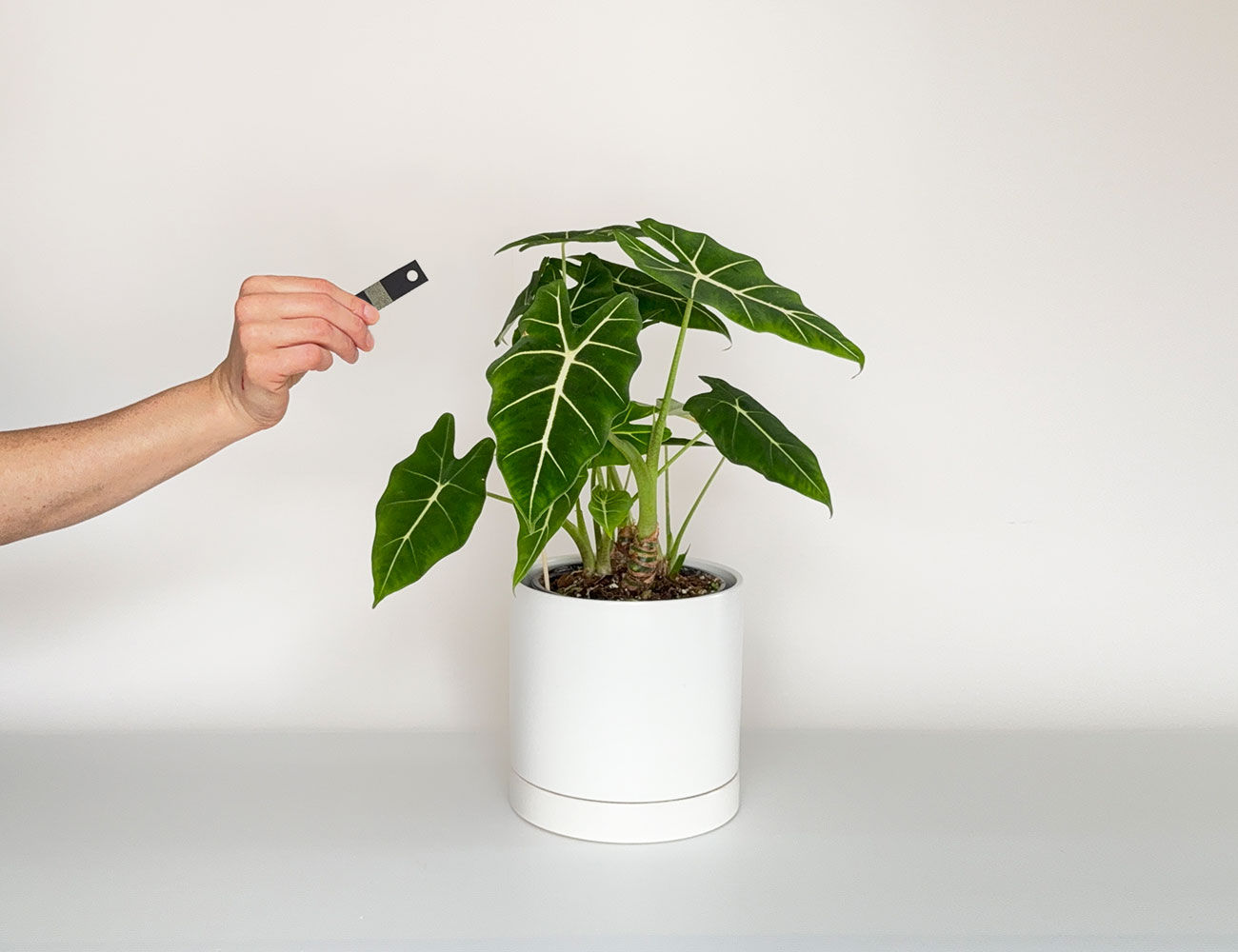
Introduce the lacewings
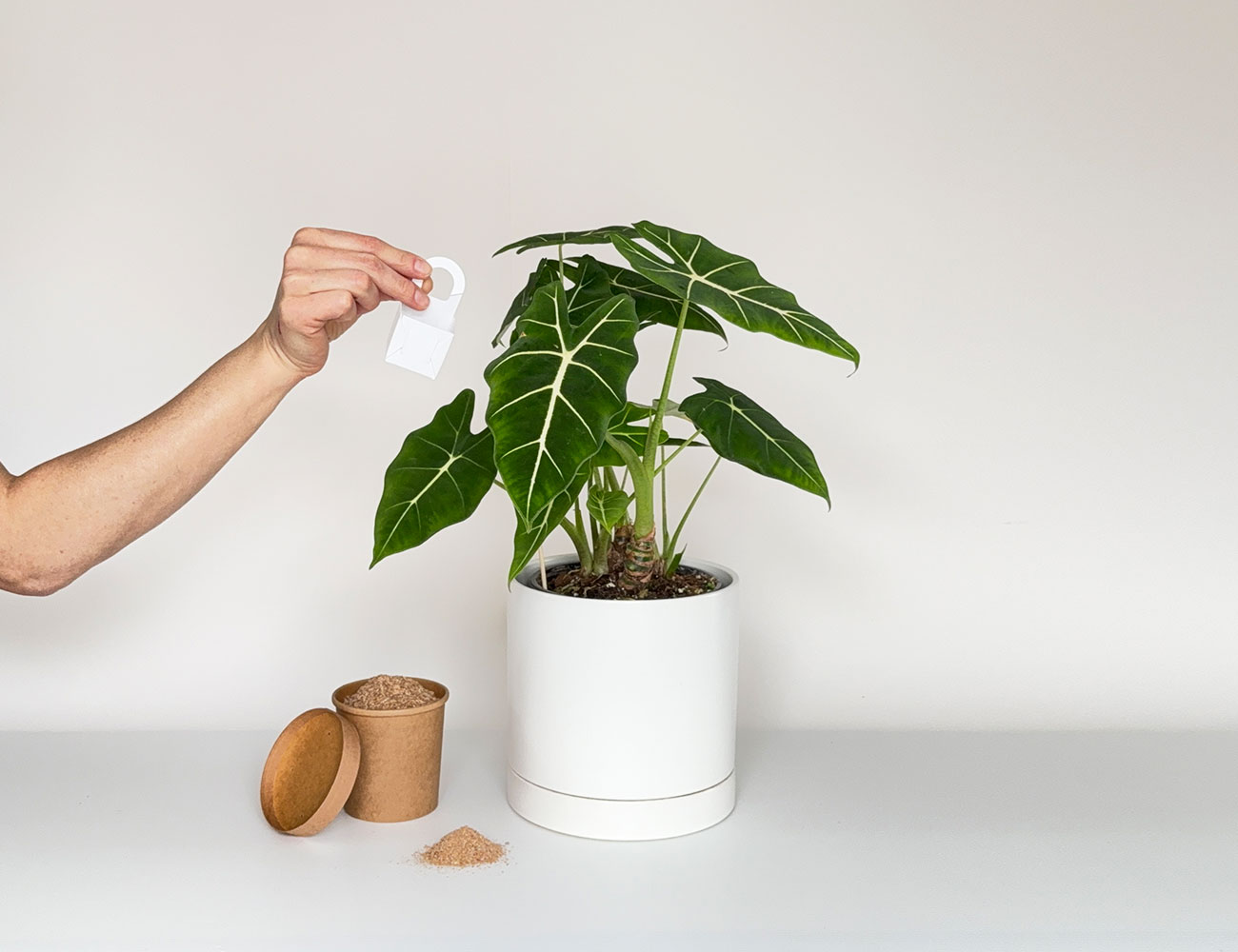
Introduce the swirskii
Second introduction
Repeat the introduction
A few important points
- Natural predators are particularly effective at detecting hidden tropical thrips once their population has been reduced. The more thorough the initial cleaning, the higher the chances of success.
- Tropical thrips eggs are laid inside the leaves and remain protected from cleaning, predators, and contact insecticides. At least two introductions at three-week intervals are necessary to eliminate the remaining larvae.
Once the treatment is complete
Inspect the plants regularly for at least eight weeks. If new signs of tropical thrips appear, repeat the cleaning of affected plants every five days. Otherwise, you can consider your treatment successful. We recommend using the preventive treatment to avoid a new infestation.